\n\n
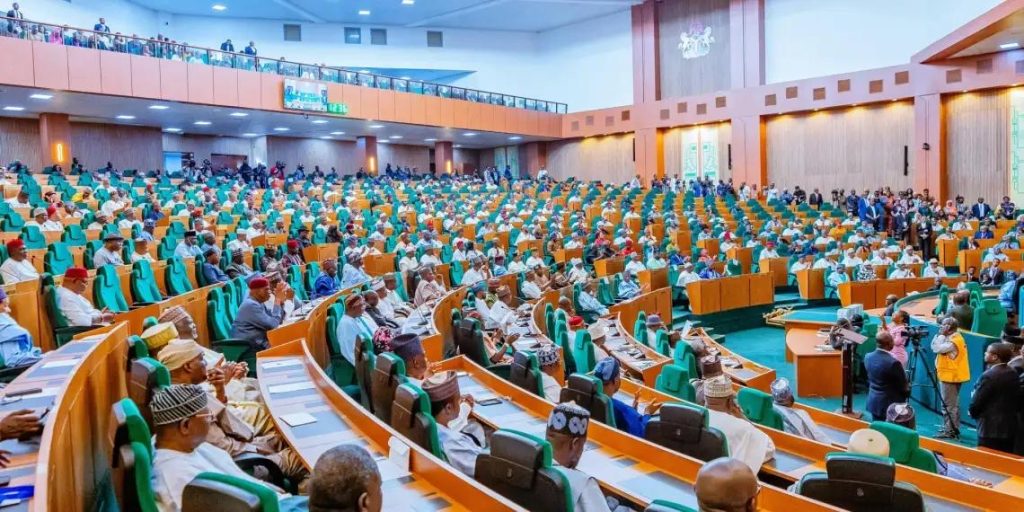
A Federal High Court in Lagos has declared the National Assembly’s expenditure of ₦110 billion on sport utility vehicle (SUV) allowances for lawmakers unlawful, holding that the disbursement violated constitutional and public finance regulations governing the use of public funds. The judgment followed a suit filed by the Socio-Economic Rights and Accountability Project (SERAP), which challenged the legality of the allocation and sought greater transparency in the management of legislative spending.
In the ruling delivered by Justice Ambrose Lewis-Allagoa, the court held that the allocation and disbursement of the funds for the purchase and maintenance of official vehicles for members of the National Assembly were inconsistent with the provisions of the Nigerian Constitution and the Fiscal Responsibility Act. The court further directed the Federal Government and relevant anti-corruption agencies to investigate the expenditure and ensure accountability in the use of public resources. The judge emphasized that public officials must be held to the highest standards of transparency, particularly when dealing with taxpayers’ money.
The controversial SUV allowance attracted widespread criticism when it was approved shortly after the inauguration of the 10th National Assembly, with many civil society groups arguing that the expenditure was insensitive at a time when millions of Nigerians were grappling with rising inflation and economic hardship. SERAP had maintained that the allocation violated the principles of prudent financial management and urged the court to compel the recovery of the funds if found to have been improperly spent. The organisation welcomed the judgment, describing it as a victory for accountability and the rule of law.
The decision is expected to reignite public debate over the cost of governance in Nigeria and could influence future policies on legislative remuneration and allowances. Legal analysts note that while the judgment represents a significant development in the push for fiscal accountability, its practical impact will depend largely on whether the relevant authorities comply with the court’s directives or pursue an appeal. The case also underscores the growing role of public interest litigation in challenging government spending and promoting transparency in the management of national resources.