\n\n
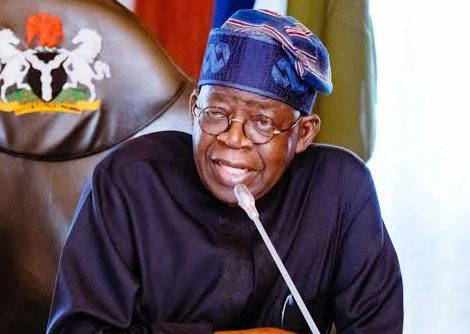
The President has stated that Nigeria should not be described as a poor country, arguing instead that the nation’s main challenge is inequality and structural economic imbalance, not a lack of wealth. This position was made known by the Special Adviser to the President on Economic Affairs, Tope Fasua, during a television interview where he urged a shift in how Nigerians discuss the economy. 
According to Fasua, while poverty clearly exists across the country, focusing solely on that narrative can distract from finding real solutions. He stressed that Nigeria has significant financial resources within its system, pointing to examples such as the ₦4.6 trillion raised by banks for recapitalisation, most of which came from local investors, as well as the strong profitability of companies like MTN within the Nigerian market. These, he said, show that “there is money in the system.” 
He explained that the real issue is the uneven distribution of wealth, noting that while many Nigerians are struggling, others are generating significant income. Fasua highlighted that about 70% of Nigeria’s economy operates informally, making it difficult for the government to capture revenue effectively. He added that ongoing tax reforms are aimed at addressing this gap and improving government revenue for development. 
The Presidency also called on citizens to support economic reforms, including tax compliance, as part of efforts to reduce inequality and improve living standards. While acknowledging economic hardships, Fasua maintained that Nigeria has strong potential and resources, insisting that the focus should be on managing and distributing that wealth more effectively rather than labeling the country as poor.