\n\n
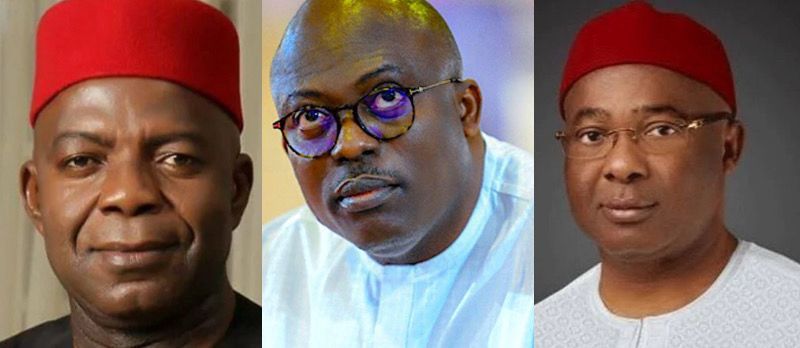
Three major oil‑producing states in Nigeria Rivers, Abia, and Imo have been ranked at the bottom of the Subnational Oil Transparency and Accountability Index, highlighting significant gaps in how they manage and disclose revenues and contracts related to the petroleum sector. The findings were revealed in a study released by a coalition of civil society organisations, which assessed governance practices across states with oil and gas activities.
According to the index, the low rankings are driven by poor disclosure of financial inflows, lack of clarity on how funds are spent, and limited public access to key documents related to oil revenue management. In contrast, top‑performing states were noted for publishing regular reports, providing easy access to budget data, and engaging local communities in oversight processes that enhance accountability and reduce corruption risks.
The study’s authors warned that lack of transparency in oil revenue management can deepen mistrust between citizens and governments, fuel corruption, and undermine effective use of natural resource wealth for development. They urged the affected states to adopt stronger policies including open budgeting, clear reporting of oil receipts, and inclusive oversight mechanisms to improve governance, restore public confidence, and ensure that oil resources contribute more meaningfully to local development.