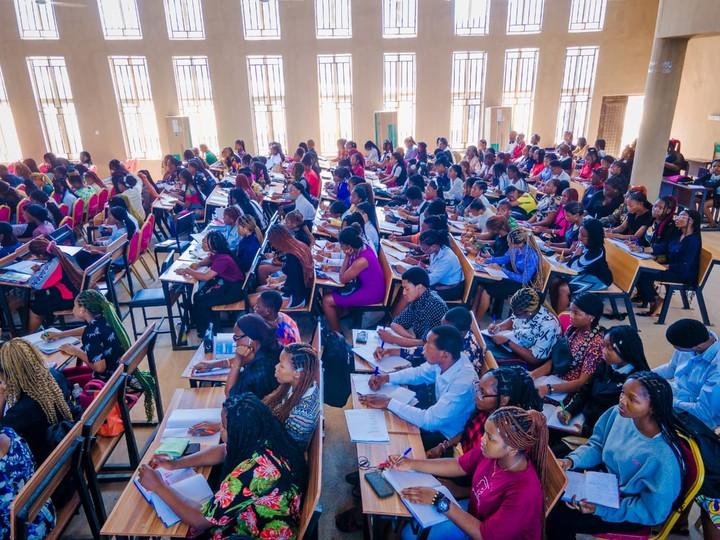
The Federal Government has highlighted 26 major education initiatives under President Bola Tinubu’s administration, reporting that ₦372.62 billion has been disbursed through the Nigerian Education Loan Fund (NELFUND) to support students in tertiary institutions across the country.
The Minister of Education, Dr Tunji Alausa, outlined the initiatives in a document titled From Reform to Results, explaining the government’s plans to improve access to education, strengthen universities, support teachers and equip young Nigerians with practical skills.

According to the figures released by the ministry, NELFUND has processed 1,659,853 student loan applications across 319 tertiary institutions.
The reported disbursement includes ₦192.89 billion for institutional fees and ₦179.73 billion for students’ upkeep allowances.
Beyond student loans, the government highlighted several other programmes designed to address challenges within Nigeria’s education system.
One of the major interventions is the Technical and Vocational Education and Training (TVET) programme, which has reportedly recorded more than 2.8 million applications, with 156,446 verified trainees receiving training, stipends and start-up support.
The government also disclosed that 38 technical colleges had been rehabilitated to improve practical skills development, while free technical education initiatives cover tuition, boarding, textbooks and uniforms in participating institutions.
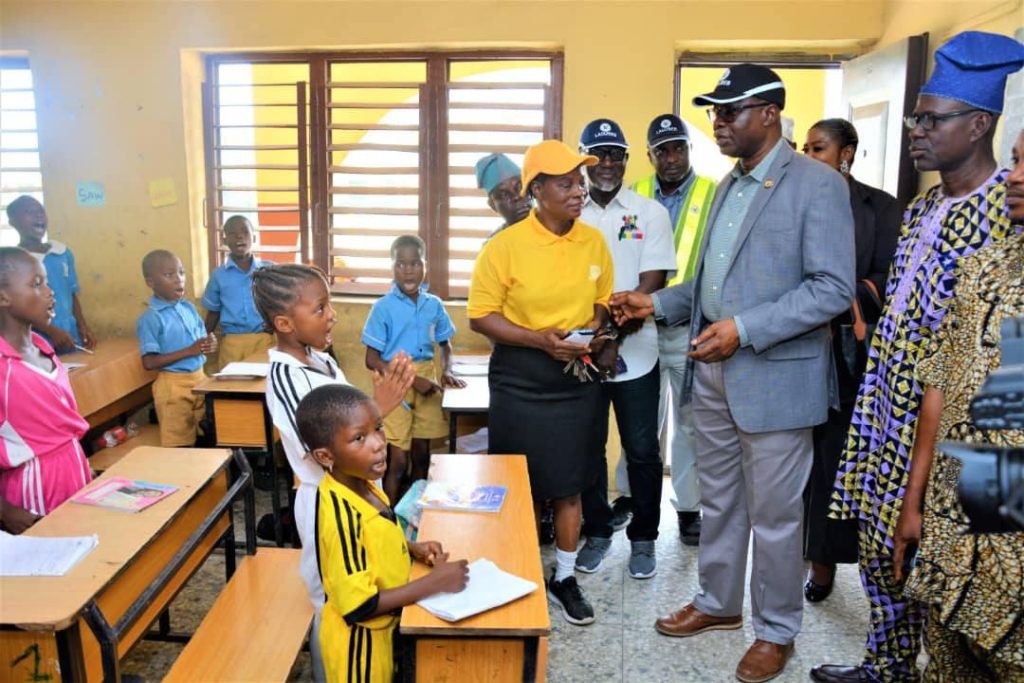
Another programme focuses on bringing out-of-school children back into classrooms. The government reported that more than one million children had been reintegrated into the education system through its interventions.
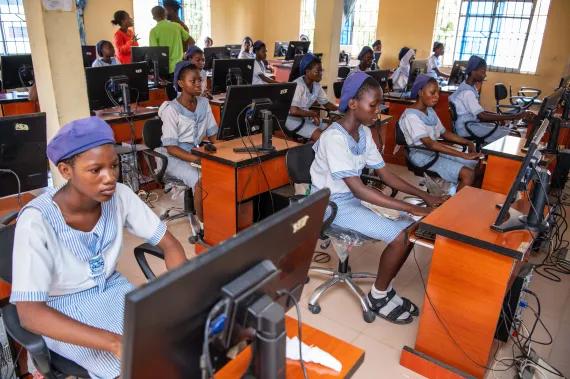
The reforms also include improved teacher training, digital learning programmes, medical education expansion and support for student entrepreneurs.
Under the Student Venture Capital Grant, more than ₦2.5 billion has reportedly been disbursed to 45 student entrepreneurs to support innovative business ideas.
The government is also investing ₦110 billion in the rehabilitation of medical schools and expanding training opportunities in nursing, medicine and pharmacy.
The announcement comes as Nigeria continues to face challenges involving school affordability, inadequate infrastructure, poor learning conditions and the growing number of children outside formal education.
Although the figures represent significant government spending and programme activity, questions remain about how effectively these interventions are reaching students and improving learning outcomes.
The Education Minister said the success of the reforms would ultimately be measured by their impact on students, teachers and educational institutions.