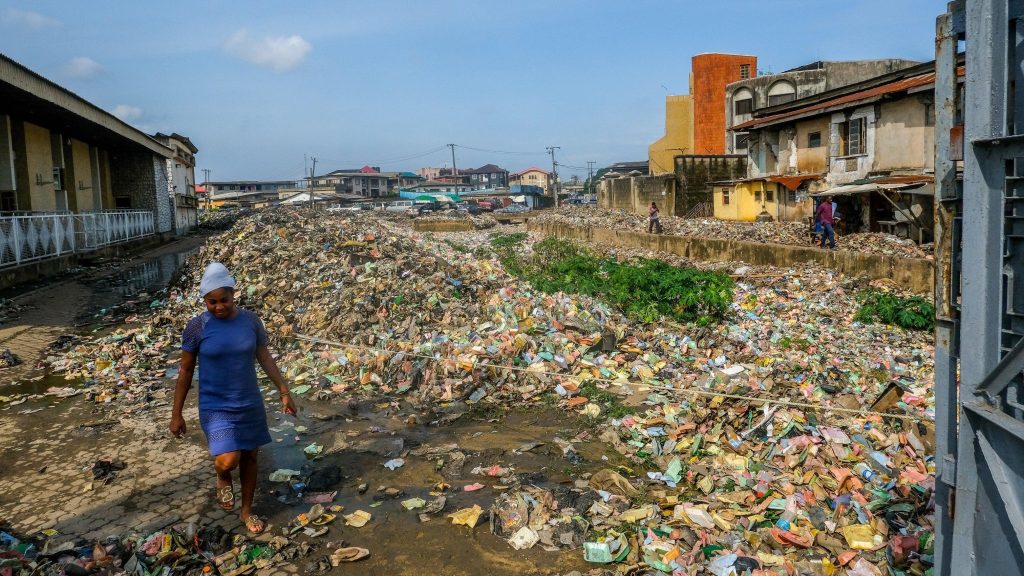
The Lagos State Government is facing renewed pressure to address worsening waste collection problems across several communities, as residents continue to complain about refuse accumulating along roads, residential streets and drainage channels.
The situation has raised concerns about environmental sanitation, public health and the impact of poor waste management on everyday life in Nigeria’s commercial capital.
A report published on October 21, 2026, said uncertainty had emerged over the leadership of the Lagos Waste Management Authority (LAWMA), following reports that its Managing Director, Dr Muyiwa Gbadegesin, had been asked to resign amid concerns about the waste situation. However, the state government had not officially confirmed his removal at the time of publication.
Communities affected by the waste problem
The report identified Mushin, Egbeda, Surulere, Ajegunle, Ikorodu, Ojo, Obalende, Apapa and Mile 2 among the areas where residents have faced problems with accumulated refuse.
When rubbish is left uncollected for extended periods, it can produce unpleasant smells, attract flies and rodents, obstruct walkways and contribute to blocked drainage systems. During heavy rainfall, waste in drainage channels can also worsen water-flow problems.
For residents and business owners, the problem goes beyond the appearance of their surroundings. Poor sanitation can affect daily activities, create additional cleaning costs and make neighbourhoods less comfortable to live and work in.
What is the government doing?
Governor Babajide Sanwo-Olu previously declared a state of emergency on waste management and directed officials to take urgent steps to improve refuse collection.
LAWMA has also reported clearance operations and the deployment of additional trucks in some locations. Its Managing Director, Gbadegesin, said the authority was working to move beyond temporary clean-ups towards regular collection and preventing refuse from accumulating again.
However, residents’ continued complaints suggest that maintaining consistent collection remains a challenge in some communities.
Why the problem keeps returning
Waste management in a large city such as Lagos requires regular collection, functioning equipment, adequate disposal facilities and effective coordination between government agencies and private-sector operators.
When collection schedules break down or operators fail to meet their responsibilities, refuse can accumulate faster than clearance teams can remove it. Clearing a street once will not solve the problem if routine collection does not continue.
The government therefore faces the task of ensuring that waste is removed consistently, rather than relying only on emergency operations after complaints become widespread.
What residents should expect
Residents will be looking for visible improvements in waste collection, clearer reporting channels and a dependable schedule for removing refuse from their neighbourhoods.
For now, the reported leadership change at LAWMA remains unconfirmed by the state government. The immediate priority is to improve sanitation services and ensure that waste collection becomes more reliable across affected communities.