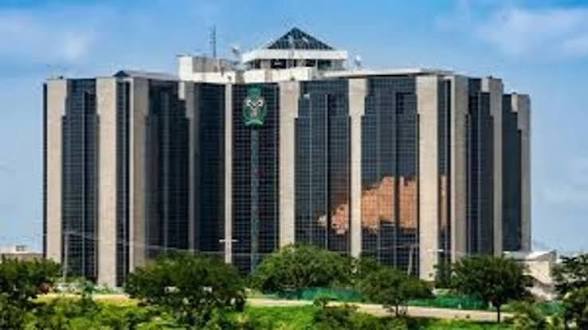
Foreign portfolio investment into Nigeria rose to $6.03 billion in the first quarter of 2026, representing a 14.4 per cent increase from the previous quarter, according to data from the Central Bank of Nigeria (CBN).
The latest figure highlights continued activity from foreign investors in Nigeria’s financial markets as the country works to attract more international capital amid ongoing economic reforms.
Portfolio investments refer to foreign investments in financial assets such as equities and debt securities. Unlike direct investment in physical businesses or infrastructure, portfolio flows can move relatively quickly depending on investors’ assessment of market conditions, returns, exchange rates and economic risks.
The increase in inflows comes at a time when Nigeria’s financial markets have experienced significant activity. The country has continued to implement measures aimed at improving foreign-exchange market transparency, strengthening investor confidence and increasing the attractiveness of Nigerian assets.
The rise in portfolio inflows also provides additional foreign capital for the financial system, although such funds can be sensitive to changes in global interest rates, exchange-rate movements and investor sentiment.
The CBN data comes alongside increased activity in Nigeria’s capital market, with investors participating in government securities and equities. The Federal Government, for instance, raised N748.64 billion through its September 2026 domestic bond auction, with strong demand recorded for the securities offered.
Analysts and market participants will continue to monitor whether the stronger inflow trend is sustained through subsequent quarters and how it affects liquidity, investment activity and Nigeria’s broader financial markets.
The $6.03 billion figure therefore represents an important indicator of foreign investor activity in Nigeria during the first quarter, while the sustainability of the inflows will depend on domestic and global economic conditions.