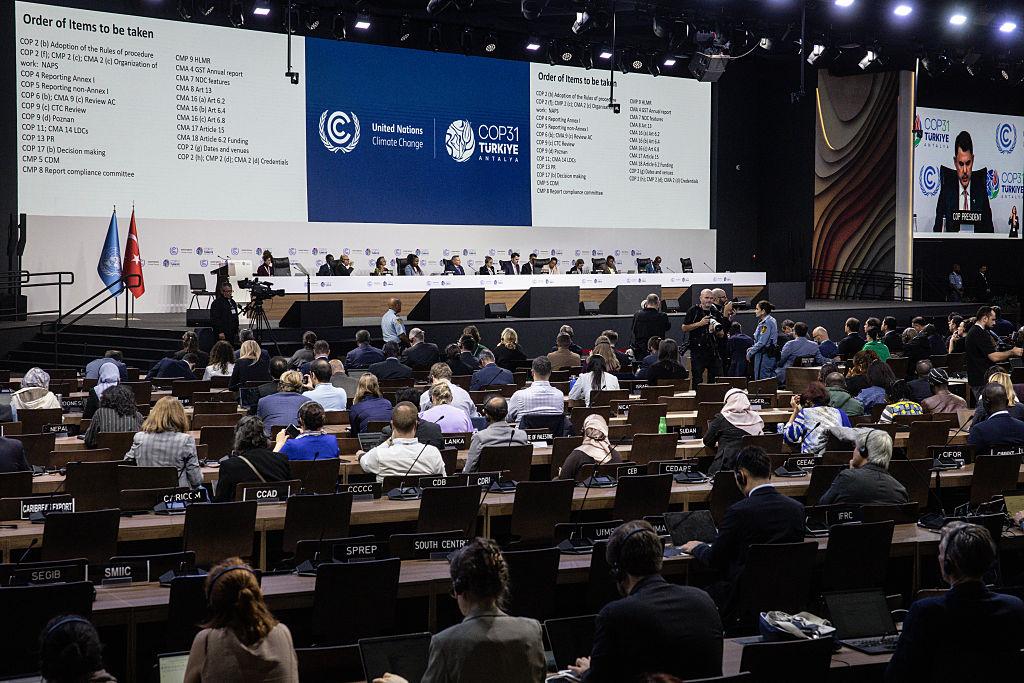
The 2026 United Nations Climate Change Conference (COP31) has extended beyond its scheduled closing time as participating countries struggle to reach an agreement on key climate issues, particularly the future of fossil fuels.
The negotiations, which brought together representatives from different countries, have been marked by disagreements over how quickly the world should reduce its dependence on coal, oil and gas.
Developing countries have continued to demand stronger financial support from wealthier nations to help them deal with climate change, including rising temperatures, flooding, drought and other environmental challenges.
Another major issue is how countries should balance economic development with efforts to reduce greenhouse gas emissions.
The disagreement over fossil fuels remains one of the biggest obstacles to reaching a common position, with countries holding different views on the pace and responsibility for transitioning to cleaner energy sources.
The extended negotiations highlight the difficulties facing global leaders as they attempt to agree on stronger climate commitments and practical measures to address the growing environmental crisis.