
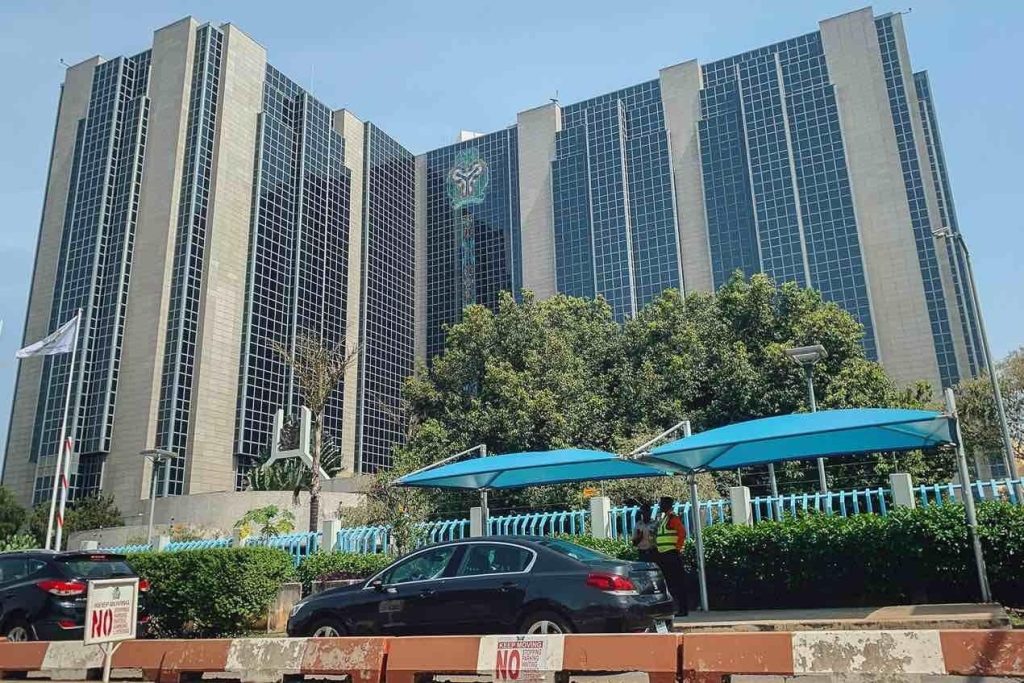
The Central Bank of Nigeria (CBN) and the Nigerian National Petroleum Company Limited (NNPC) have signed an agreement aimed at improving oversight of oil revenues and strengthening foreign exchange inflows into the country.
The agreement is expected to improve coordination between both institutions in managing proceeds from Nigeria’s petroleum sector and ensuring greater transparency in revenue reporting.
Oil remains one of Nigeria’s most important sources of foreign exchange earnings. However, challenges involving production levels, revenue remittances and foreign exchange management have continued to affect the country’s economy.
The CBN Governor, Olayemi Cardoso, and NNPC Group Chief Executive, Bayo Ojulari, signed the Memorandum of Understanding (MoU) at the CBN headquarters in Abuja.
Under the agreement, both institutions will strengthen cooperation in several areas, including the movement of oil export earnings into government accounts, foreign exchange management, payment systems and energy-sector financing.
The partnership will also support efforts to attract international investors and financial institutions to Nigeria’s oil and gas industry.
Nigeria targets higher oil production
NNPC also disclosed that it is working towards increasing crude oil production from approximately 1.8 million barrels per day to three million barrels per day.
Achieving this target could improve government revenue, strengthen foreign exchange reserves and create additional opportunities for investment in the petroleum sector.
What this means for Nigerians
Nigeria’s ability to generate and properly manage foreign exchange remains important to the stability of the naira and the wider economy.
If the agreement delivers its intended results, it could improve transparency in oil revenue management, strengthen dollar inflows and support investment in the energy industry.
However, the real impact will depend on implementation and whether the partnership produces measurable improvements in oil earnings and foreign exchange availability.