The Jigawa State Government has approved contracts worth more than ₦977.9 million to improve digital learning facilities and help students prepare for computer-based examinations.
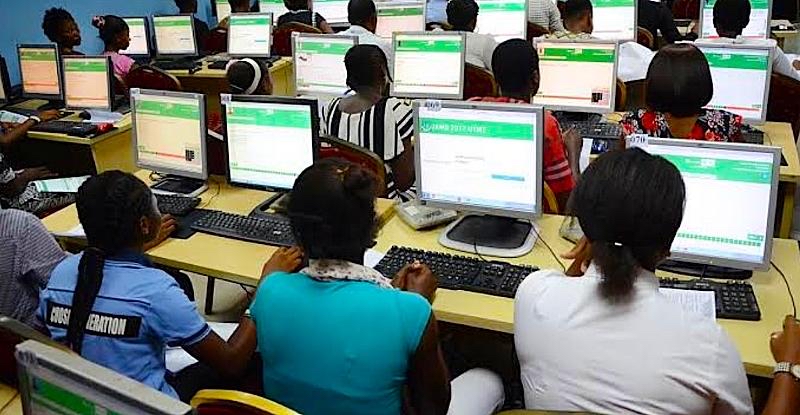
The announcement, made public on October 20, 2026, covers two major education projects: the establishment of a Computer-Based Test (CBT) centre at the College of Health Sciences in Jahun and the construction and equipping of computer laboratories in four secondary schools.
Government invests in modern examination facilities
According to Radio Nigeria Kaduna, the CBT centre project is valued at ₦518 million. It is expected to provide students with better access to computer-based examinations and modern digital learning resources.
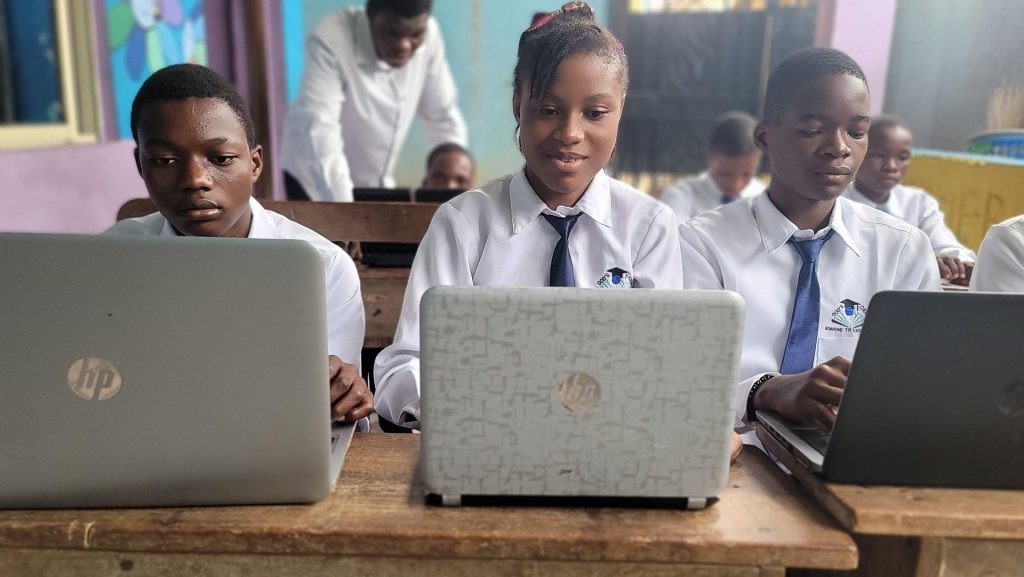
The second project, valued at more than ₦459 million, will provide computer laboratories at four schools: Government Day Secondary School, Gwaram; Government Day Secondary School, Kazaure; Government Day Secondary School, Ringim; and Day Science and Technical College, Kafin Hausa.
The facilities are intended to improve students’ access to computers, strengthen practical ICT education and equip learners with digital skills that can support their future education and careers.
Why the development matters
Computer-based testing is becoming increasingly important in Nigeria’s education system. Students who lack regular access to computers may find it harder to become familiar with the examination format, navigate digital tests and manage their time effectively.
By investing in computer laboratories and a dedicated testing centre, Jigawa State is seeking to reduce some of these barriers and improve students’ readiness for digital examinations.
The investment could also benefit teachers, who will have more opportunities to incorporate technology into classroom activities and practical lessons.
However, the long-term impact will depend on how effectively the facilities are maintained, whether schools have reliable electricity and internet access, and whether students receive sufficient practical training.
The government will also need to ensure that students in rural and underserved communities benefit from the new infrastructure rather than allowing access to remain concentrated in better-equipped schools.
The projects form part of broader efforts to modernise education in Jigawa State and prepare young people for a world increasingly shaped by technology.