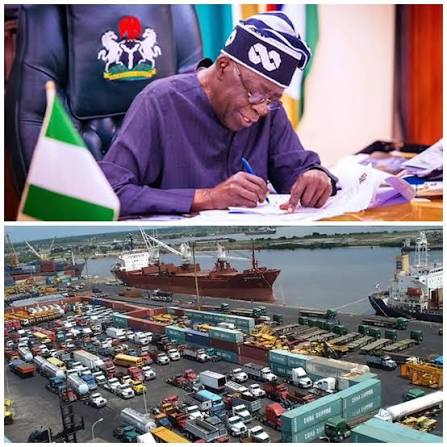

Nigeria’s non-oil revenue increased to ₦5.07 trillion in the second quarter of 2026, supported mainly by stronger collections from corporate income tax and customs duties.
According to a report by Nigerian Tribune, the figure represents a significant contribution to government revenue at a time when the Federal Government is seeking to reduce its reliance on crude oil earnings and strengthen non-oil sources of income.
The improvement was driven largely by higher corporate tax collections as businesses continued to contribute to government revenue. Customs duties also recorded stronger collections during the period, adding to the growth in non-oil receipts.
The development comes amid ongoing fiscal reforms designed to improve tax administration, widen the revenue base and increase government revenue without relying overwhelmingly on crude oil.
Nigeria has been working to strengthen domestic revenue mobilisation as fluctuations in global oil prices and production levels continue to affect oil-dependent government finances.
Higher non-oil revenue could provide the government with additional resources to fund infrastructure, public services and other budget priorities. However, the increase also highlights the growing importance of businesses and taxpayers to the country’s fiscal position.
The government has continued to push for improved tax compliance and more efficient collection systems as part of broader efforts to build a more sustainable revenue structure.
The latest figures therefore provide another indication of the changing composition of Nigeria’s government revenue, with non-oil sources playing a larger role in financing the economy.