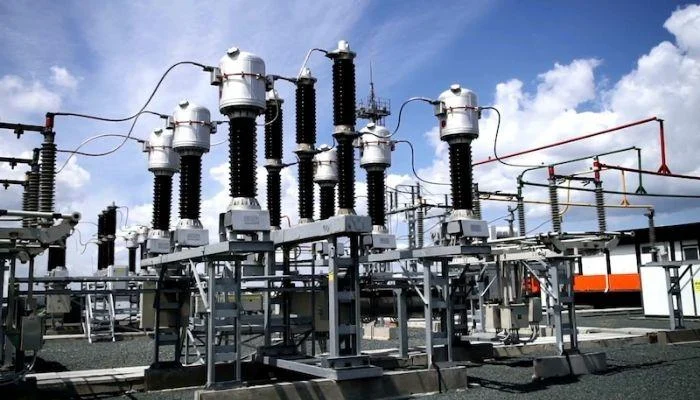
Nigeria’s electricity generation has climbed to 5,403 megawatts (MW), bringing the country closer to its recent record levels as power-sector operators work to improve supply across the country.
The latest figure was reported on September 24, 2026, amid renewed efforts to strengthen Nigeria’s electricity infrastructure and address persistent challenges affecting generation, transmission and distribution.
The increase is significant because electricity availability remains an important factor for households and businesses, particularly manufacturers and small businesses that rely heavily on electricity to reduce their dependence on alternative power sources.
Nigeria’s power sector has continued to face challenges including gas supply constraints, ageing infrastructure, transmission limitations and financial pressures across the electricity value chain. Higher generation alone does not necessarily translate into the same level of electricity reaching consumers, as power still has to pass through the transmission and distribution networks.
The latest improvement comes as the Federal Government and industry stakeholders continue efforts to expand generation capacity and improve the reliability of the national grid.
If sustained, higher generation could provide additional support for economic activity, particularly for businesses that have faced high operating costs from alternative power sources.