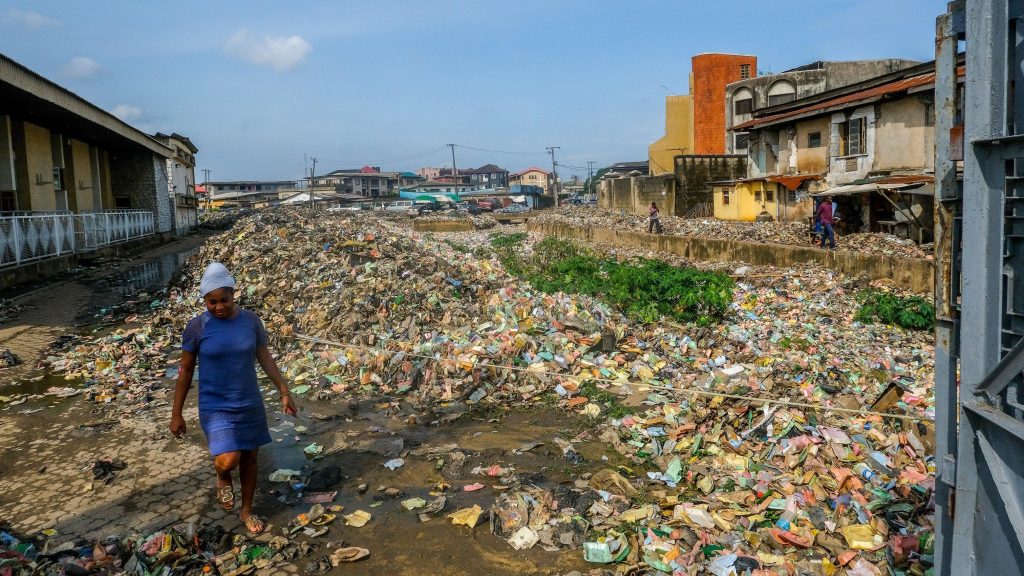
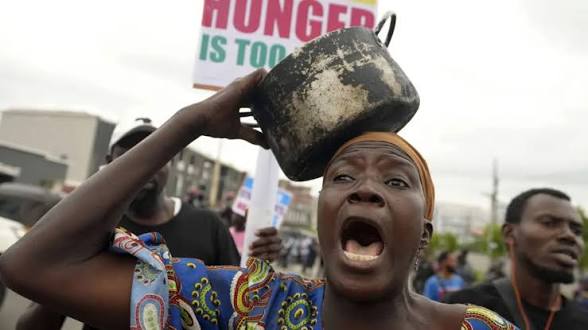
\n\nNigeria has emerged as the most food-insecure country in Africa, with an estimated 36.3 million people projected to face acute food insecurity, according to a report highlighted on Thursday, August 13, 2026.
The figure has renewed concerns about food affordability, household incomes and access to adequate nutrition across the country.
The worsening situation comes despite ongoing government interventions aimed at boosting agricultural production, improving food supply and supporting farmers. Rising living costs and other economic pressures continue to make it difficult for many households to consistently afford nutritious meals.
The scale of Nigeria’s food insecurity also highlights the need for stronger investment in agriculture, food processing, storage and transportation infrastructure to reduce losses and improve the availability of locally produced food.
Experts have continued to stress that addressing food insecurity requires more than increasing agricultural output. Farmers also need access to financing, modern equipment, improved seeds, markets and infrastructure that can help move food from farms to consumers at affordable prices.
The development places additional pressure on policymakers as the government seeks to strengthen food production and reduce the impact of economic hardship on Nigerian households.
With millions of Nigerians potentially facing food shortages, food security is increasingly becoming a major economic and social priority for the country.