
\n\n
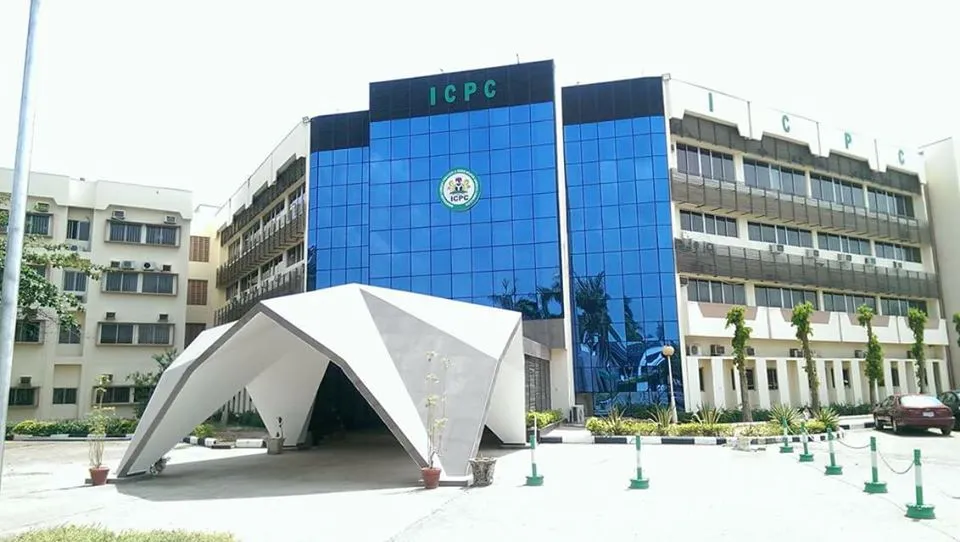
The Independent Corrupt Practices and Other Related Offences Commission has uncovered a major payroll fraud scheme involving a government official who allegedly enrolled 14 members of his family as government workers in order to receive multiple salaries. ICPC Chairman, Musa Aliyu, disclosed the discovery on Thursday in Abuja while delivering the keynote address at the 2026 Economic Confidential Lecture and National Spokespersons Award. He said the commission’s investigation into ghost workers had revealed how individuals manipulated government payroll systems to insert fictitious employees and divert public funds. In another case, Aliyu said an individual allegedly enrolled his wife, daughter, son and other relatives and was receiving 13 separate salaries.
Aliyu explained that the investigation, which lasted about a year, uncovered different methods used to conceal fraudulent payroll entries. According to him, some of the names and email addresses appeared legitimate on official government payroll records, but the bank account numbers attached to the employees belonged to different people. The commission reportedly identified about 900 suspected ghost workers and published their names to give those listed an opportunity to establish that they were genuine employees. The ICPC chairman also warned that the consequences of payroll fraud go beyond the payment of salaries, as fictitious workers can potentially become beneficiaries of government pension schemes, housing funds, mortgages and health insurance.
The ICPC said its intervention is aimed at protecting public resources and strengthening government systems against manipulation. Aliyu disclosed that the commission recovered more than ₦24bn in suspected ghost workers’ pension funds in 2024, highlighting the wider financial impact of fraudulent payroll practices. He stressed that the agency was increasingly focusing on preventing corruption and closing loopholes within government institutions rather than relying solely on prosecution after public funds had already been lost. The latest findings have renewed concerns over weaknesses in Nigeria’s public payroll systems and the need for stronger verification mechanisms to ensure that government salaries and benefits go only to legitimate employees.