\n\n
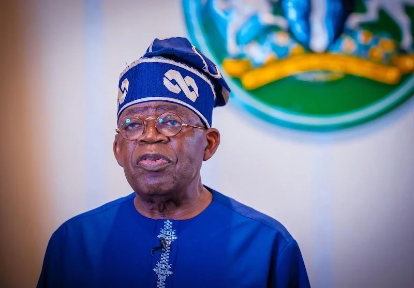
President Bola Tinubu’s approval of a new salary structure for members of the Nigerian Armed Forces has triggered mixed reactions from opposition political parties, with some applauding the move as a necessary boost for troop welfare while others questioned the timing and motives behind the decision. The new package, which takes effect on September 1, provides salary increases ranging from 30 to 80 per cent for about 250,000 military personnel, with junior-ranked officers receiving the highest raises. The Federal Government said the review is intended to improve morale, reward service members and strengthen the country’s fight against terrorism, banditry and other security threats.
While some opposition figures welcomed the decision, describing it as a long-overdue investment in national security, others argued that the government should have implemented the pay review much earlier given the sacrifices made by military personnel. Critics also suggested that the announcement could be politically motivated as the country moves closer to another election cycle, insisting that improved salaries alone would not solve Nigeria’s security challenges. They called for greater investment in modern equipment, intelligence gathering, troop training and welfare programmes to enhance the effectiveness of the armed forces.
Under the revised structure, privates to staff sergeants will receive an 80 per cent salary increase, warrant officers to colonels will get 50 per cent, while generals will benefit from a 30 per cent raise. The adjustment will increase the military’s annual wage bill from about ₦660 billion to ₦924 billion, making it one of the largest welfare packages approved for the armed forces in recent years. Security analysts say the success of the initiative will ultimately depend on whether it is complemented by improved funding, modern military hardware, better intelligence coordination and sustained efforts to tackle the root causes of insecurity across the country.