\n\n
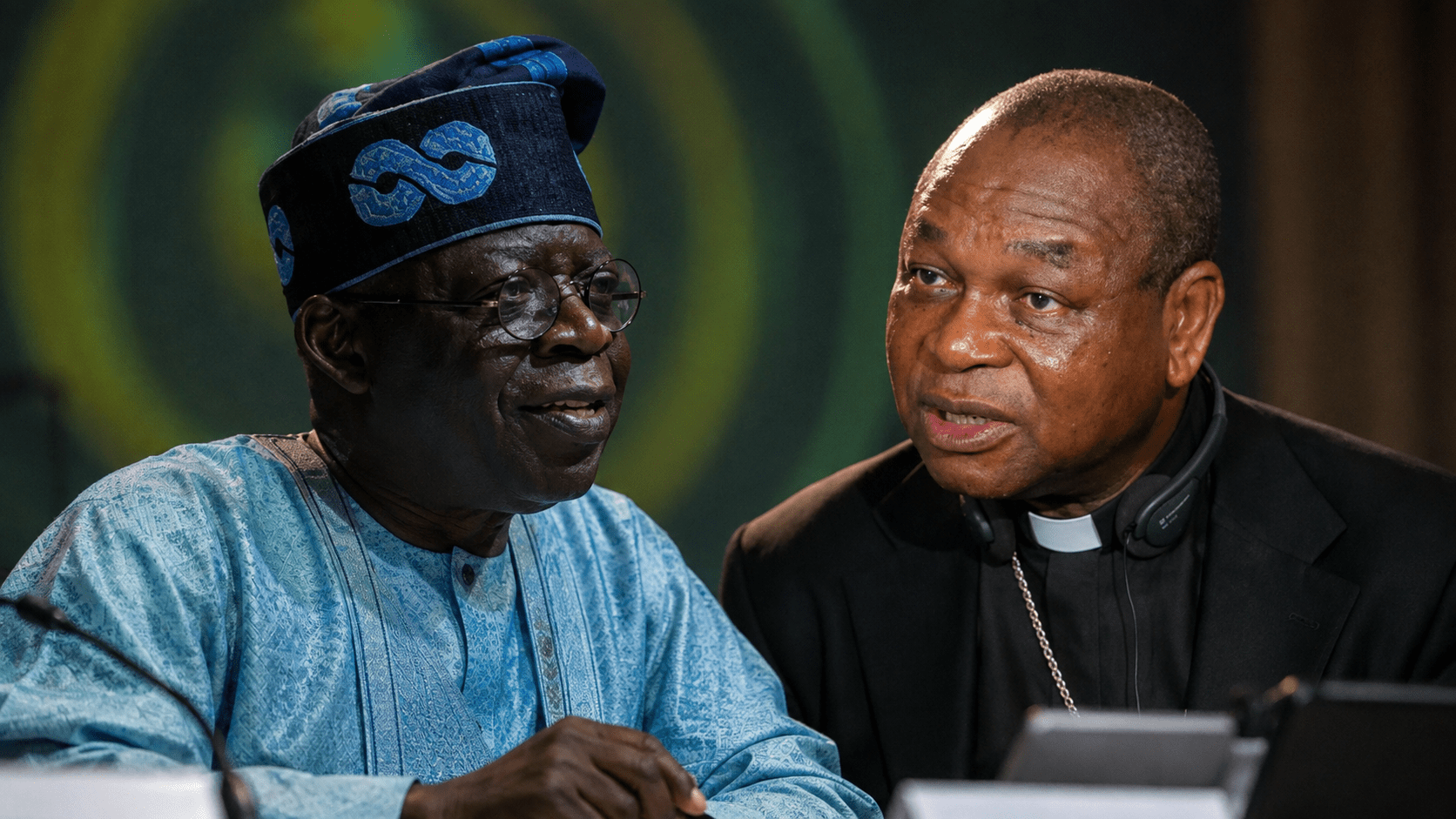
The Presidency has publicly criticised Cardinal John Onaiyekan, the Archbishop Emeritus of the Catholic Archdiocese of Abuja, over comments he made regarding the recent closed-door meeting between President Bola Ahmed Tinubu and members of the Catholic Bishops’ Conference of Nigeria (CBCN).
The reaction follows an interview granted by Cardinal Onaiyekan after the meeting, during which he shared his perspective on the discussions held at the Presidential Villa. According to the cleric, the bishops presented several concerns affecting Nigerians, including worsening economic hardship, insecurity, poverty, challenges in the education sector, and the need to strengthen democratic institutions and ensure credible elections.
Reflecting on the meeting, Cardinal Onaiyekan said President Tinubu appeared dissatisfied with the bishops’ assessment of the country’s current situation. He noted that the President defended his administration’s policies and maintained that the economy was gradually improving despite the concerns raised by the delegation. The cardinal further suggested that the President’s response gave the impression that some of those around him might not be presenting him with the full realities facing ordinary Nigerians.
The remarks quickly generated widespread public debate, prompting a formal response from the Presidency.
In a statement issued by the Senior Special Assistant to the President on Media and Publicity, Temitope Ajayi, the Presidency described Cardinal Onaiyekan’s television interview as inappropriate, arguing that details of a private meeting with the President should not have been disclosed publicly.
According to the statement, the bishops had requested the audience with President Tinubu and were given the opportunity to freely present their observations and recommendations on the state of the nation. The Presidency stated that although the bishops expressed strong criticism of the administration’s handling of economic and security issues, the President listened respectfully before responding to each concern.
The statement insisted that President Tinubu did not dismiss the challenges confronting Nigerians but instead explained that his administration had made measurable progress in stabilising the economy, improving public finances, and addressing insecurity. It maintained that while significant problems remain, the government believes the country has begun recovering from years of economic and fiscal difficulties.
The Presidency also addressed one of the issues reportedly raised by the bishops regarding the return of mission schools. According to the statement, President Tinubu reminded the delegation that education is largely under the jurisdiction of state governments and that decisions concerning mission schools must be handled by individual states. The President reportedly referenced his time as Governor of Lagos State, where mission schools were returned to their original owners.
Defending the administration’s economic policies, the Presidency argued that reforms implemented since President Tinubu assumed office have helped restore greater fiscal stability across many states. It noted that improved government revenues have enabled several state governments to pay salaries and pensions more consistently than in previous years, describing this as one of the tangible outcomes of the administration’s economic reforms.
On security, the Presidency rejected the suggestion that the country is deteriorating without progress. It stated that while security threats remain serious, the President receives regular intelligence briefings and operational reports that provide a broader picture of ongoing military successes against criminal and insurgent groups across different parts of the country. The statement argued that this information gives the President a more comprehensive understanding of the situation than what is often reflected in media reports alone.
The Presidency also challenged the perception that the President is isolated from the realities facing Nigerians. It said President Tinubu receives daily intelligence reports covering economic, security, and social developments, regularly follows newspaper publications and television discussions, and consults widely with individuals from different sectors of society. According to the statement, the suggestion that only religious leaders can provide him with an accurate assessment of national conditions is unfounded.
While acknowledging the important role of religious leaders in holding government accountable and contributing to national discourse, the Presidency stressed that such engagements should remain respectful and confidential where appropriate. It argued that the relationship between government and religious institutions is strengthened when private discussions are conducted with mutual trust and discretion.
Concluding its response, the Presidency maintained that President Tinubu values dialogue with all segments of society, including faith-based organisations, but expressed disappointment that details of what it described as a privileged conversation were made public shortly after the meeting. It stated that clerical office carries both influence and responsibility, adding that discretion is essential when handling sensitive discussions involving matters of state.
The exchange has since sparked conversations across Nigeria, with many citizens expressing differing opinions on whether Cardinal Onaiyekan’s public comments reflected transparency and accountability or whether confidential discussions between religious leaders and the President should remain private. The development has further highlighted the ongoing national conversation about governance, economic reforms, and the role of religious institutions in shaping public policy and democratic engagement.