\n\nA sharp escalation in tensions between the United States and Iran has raised fresh concerns about regional stability and the global economy after both countries exchanged new military attacks over the past 24 hours.
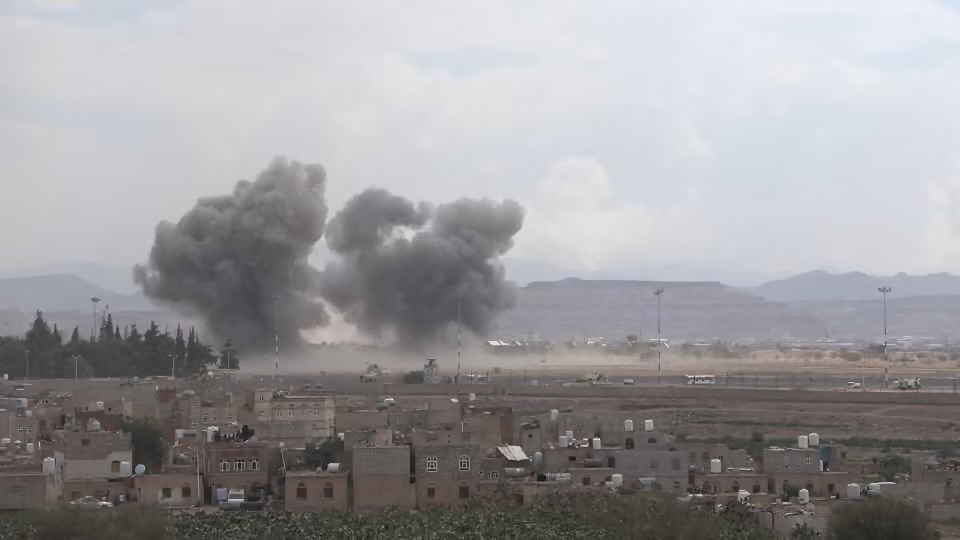
According to international reports, the U.S. launched another wave of strikes targeting Iranian military infrastructure following attacks on commercial shipping in the Strait of Hormuz, one of the world’s most critical oil transit routes. Explosions were reported in several parts of southern Iran, including areas around Bandar Abbas and Bushehr.
In response, Iran reportedly carried out retaliatory missile and drone attacks against U.S.-linked military facilities in Bahrain, Jordan, and Kuwait, further heightening fears that the conflict could spread across the Middle East. The renewed hostilities have prompted several countries to call for restraint and urgent diplomatic efforts to prevent a wider regional war.
The crisis has also sent shockwaves through global energy markets. Oil prices climbed as investors worried that prolonged instability in the Strait of Hormuz could disrupt international crude oil supplies. The waterway handles a significant share of the world’s oil exports, making any threat to shipping a major concern for governments and businesses worldwide.
World leaders and international organisations are closely monitoring developments, warning that continued military escalation could have serious humanitarian, economic, and geopolitical consequences. Diplomatic efforts are expected to intensify in the coming days as the international community pushes both sides to return to negotiations and avoid a broader conflict.