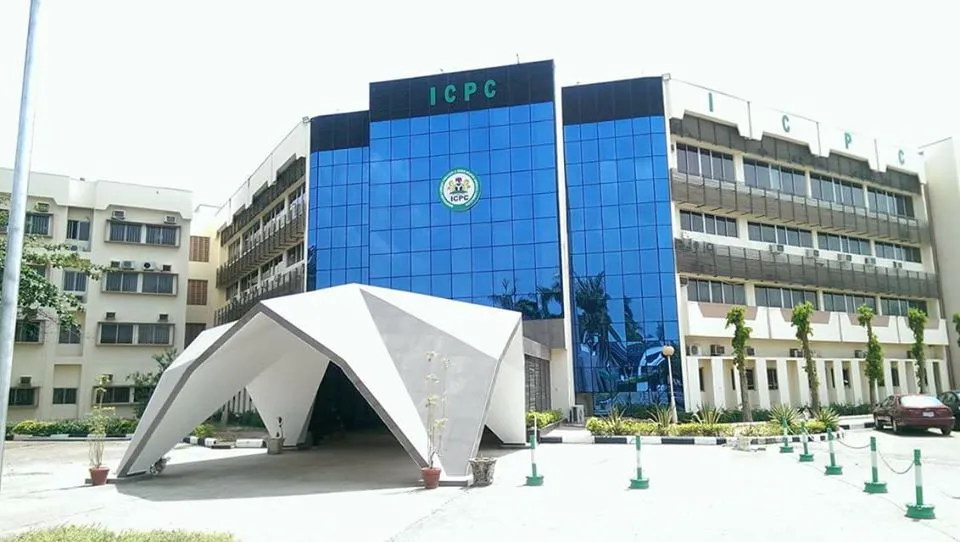
\n\nNigeria’s anti-corruption campaign recorded another significant milestone after the Independent Corrupt Practices and Other Related Offences Commission (ICPC) announced that it recovered ₦5.79 billion in proceeds of crime between January and June 2026. The recovery forms part of the commission’s ongoing efforts to strengthen transparency, accountability, and the protection of public resources across the country.
According to the commission’s half-year performance report, corruption continues to pose a serious threat to national development by diverting funds meant for critical sectors such as healthcare, education, infrastructure, and security. The ICPC noted that recovering stolen public funds is not only about retrieving money but also about restoring public confidence in government institutions and ensuring that resources are used for the benefit of Nigerians.
Beyond the financial recoveries, the commission revealed that it received 271 petitions during the six-month review period. Out of these, 234 cases were assigned for investigation, while 25 cases were successfully filed before various courts across the country. These prosecutions resulted in 20 convictions, reflecting what the agency described as measurable progress in the fight against corruption.
The report also highlighted the ICPC’s preventive efforts. The commission carried out dozens of corruption risk assessments and system studies within public institutions to identify loopholes that enable financial misconduct. It also inaugurated additional Anti-Corruption and Transparency Units (ACTUs) in Ministries, Departments, and Agencies to strengthen internal accountability and discourage unethical practices before they occur. Public enlightenment remained another major focus, with hundreds of sensitisation programmes organised nationwide to educate citizens, students, and public servants on the dangers of corruption and the importance of integrity.
Analysts believe the latest figures demonstrate the commission’s determination to pursue financial crimes despite the complex challenges facing law enforcement agencies. However, many also argue that the true measure of success will not only be the amount of money recovered but also ensuring that recovered funds are transparently managed and channelled back into projects that improve the lives of Nigerians. They further stress that consistent prosecution of offenders and stronger institutional reforms remain essential to deterring corruption in the long term.
The ICPC reaffirmed its commitment to sustaining the momentum throughout the rest of 2026, stating that combating corruption requires the collective support of government institutions, civil society organisations, the media, and ordinary citizens. The commission encouraged Nigerians to continue reporting credible cases of corruption while assuring the public that every legitimate complaint would receive due attention. As the agency intensifies its operations, many Nigerians will be watching closely to see whether future recoveries and convictions translate into stronger public trust and improved governance across the country.