\n\nNigeria is experiencing the peak of the rainy season, with several states reporting heavy downpours, flash floods, infrastructure disruptions, and humanitarian concerns. Here’s a detailed roundup based on recent reports:
1. Flooding Disrupts Lagos Airport Operations
Heavy rainfall caused significant flooding at the Murtala Muhammed International Airport in Lagos, temporarily disrupting flight operations. The Federal Airports Authority of Nigeria (FAAN) quickly activated emergency protocols, restoring normalcy after clearing water from key areas like the terminal and runways. Passengers faced delays, but no major accidents were reported. This incident highlights vulnerabilities in urban drainage systems during heavy rains, common in coastal Lagos. Authorities urge residents to stay updated via aviation channels during this season. Similar flooding risks exist in low-lying areas of the city, where poor waste management often exacerbates blockages.
2. Widespread Flooding and Infrastructure Strain Across States
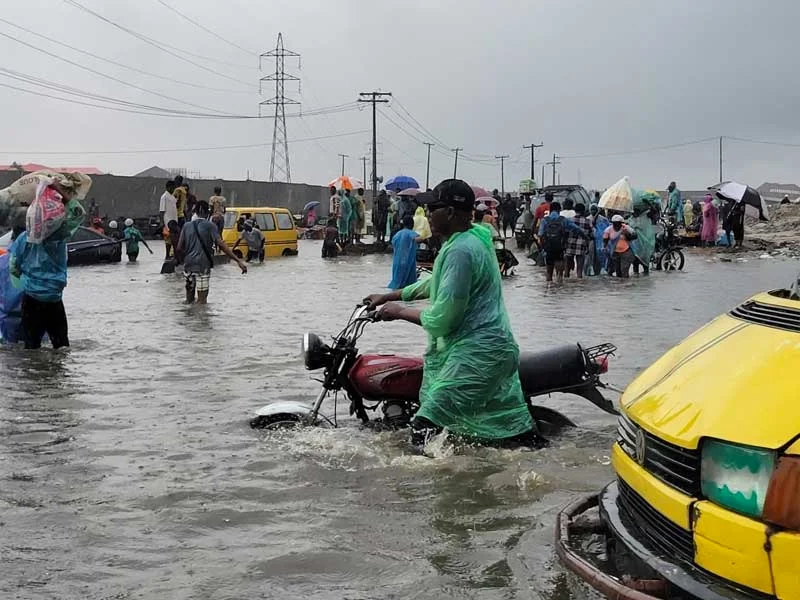
Several states, particularly in the South and North-Central regions, are grappling with flash floods from continuous heavy rains. Rivers, culverts, and roads have overflowed, damaging farmlands, homes, and small businesses. In some communities, residents report submerged houses and disrupted transportation. The Nigerian Meteorological Agency (NiMet) has issued warnings for more intense rainfall in the coming days, advising people in flood-prone zones to relocate valuables and avoid waterlogged areas. Humanitarian agencies are monitoring for potential displacement, with calls for pre-positioned relief materials. Climate experts link the severity to broader patterns of changing weather, urging better early warning systems and investment in resilient infrastructure like improved drainage and dams.
3. Agricultural and Economic Impacts of the Rains
Farmers in various regions welcome the rains for crop growth but fear excessive flooding that could destroy seedlings or cause post-harvest losses. Reports from rural areas indicate waterlogged fields affecting staples like maize, rice, and vegetables. This could contribute to short-term food price pressures if harvests are impacted. Transportation of goods has slowed in affected corridors, raising logistics costs. The government is encouraging climate-smart farming practices, such as elevated planting beds and flood-resistant varieties, as part of adaptation strategies. Long-term, experts advocate for expanded irrigation systems to reduce over-reliance on seasonal rains.
4. Humanitarian and Safety Concerns
Local emergency services in states like Lagos, Ogun, and parts of the Northeast are responding to incidents of collapsed structures and stranded vehicles due to poor visibility and flooded roads. There have been isolated reports of drownings or accidents linked to heavy rains. Community leaders are promoting safety measures, including avoiding driving through floodwaters and securing roofs. NGOs and state governments are distributing sandbags and conducting awareness campaigns. NiMet forecasts suggest the rains may intensify before easing in some areas, prompting preparedness drives.
5. Government and Expert Responses
The Federal Government, through relevant ministries, is coordinating with states on flood management. Emphasis is on desilting drainage in urban centers and reinforcing riverbanks. NiMet continues to provide daily/weekly forecasts to help citizens and businesses plan. Calls are growing for a national climate resilience fund to address recurring seasonal challenges. In previous years, similar rains led to significant displacement and economic losses, so proactive measures are being prioritized this season.
Stay safe if you’re in affected areas: avoid flood zones, monitor local alerts, and prepare emergency kits.