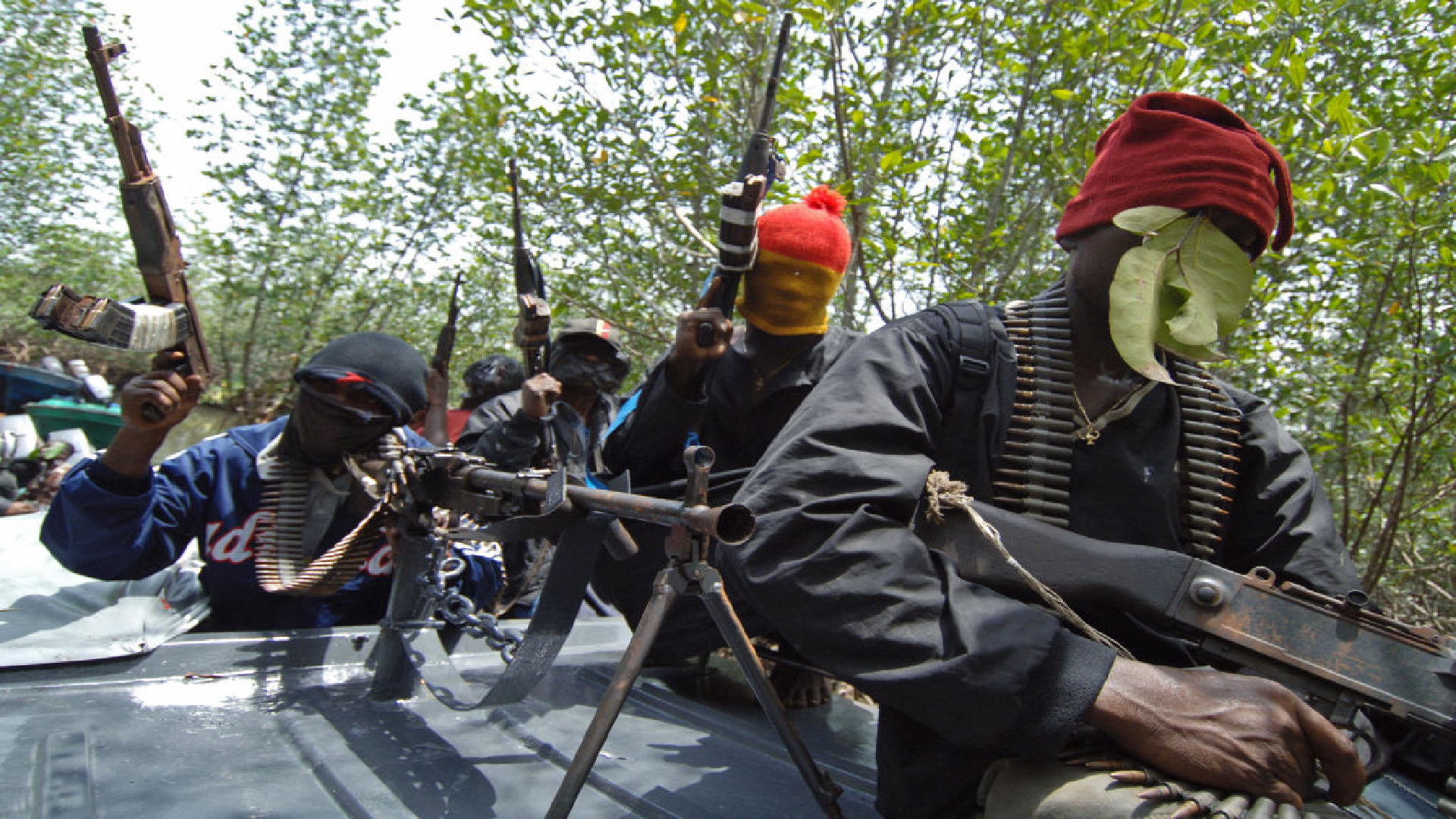
\n\nArmed gunmen carried out a daring abduction of students sitting for examinations in Northeast Nigeria, sparking fresh concerns over the safety of education and vulnerable communities in the region. The incident, reported on June 29, 2026, underscores the complex security landscape even as Nigerian troops record successes against insurgent groups elsewhere. 
Details remain limited as security forces mobilize, but the attack targeted students in a location within the Northeast, an area long plagued by Boko Haram and ISWAP activities. Such abductions often aim to extract ransoms or disrupt normalcy, directly threatening efforts to restore access to learning after years of school closures and attacks on educational infrastructure.
This event occurs against the backdrop of broader military gains. Operation Hadin Kai and related efforts have led to high-profile surrenders, neutralization of commanders, and rescues of hostages. In recent weeks, troops have intensified patrols, conducted air-supported strikes, and disrupted supply lines, resulting in dozens of terrorists surrendering and significant arms recoveries.
The Nigerian Army and Defence Headquarters have responded swiftly, with ongoing search and rescue operations alongside intelligence gathering to locate the abducted students. Past similar incidents have seen successful rescues through rapid response and community tip-offs, as evidenced by recent operations that freed hundreds of hostages across the North.
Education stakeholders and parents in the Northeast express deep worry, calling for enhanced protection around exam centers and schools. The federal and state governments have previously invested in safe schools initiatives, but incidents like this highlight gaps that require urgent attention, including better surveillance, rapid response teams, and alternative learning models for high-risk areas.
Nationally, this abduction draws attention to the intersection of insecurity and development. President Tinubu’s government has emphasized restoring stability to enable economic growth, with security reforms including commander reshuffles, increased recruitment, and multi-agency coordination. NELFUND and other bodies have also warned institutions against arbitrary fee hikes that could limit access amid these challenges.
As operations continue, Nigerians are urged to provide credible intelligence while authorities balance kinetic actions with socio-economic interventions. The incident serves as a reminder that defeating terrorism demands both military strength and addressing underlying drivers like poverty and youth radicalization.
Security analysts believe that with sustained pressure — as seen in recent ISWAP leadership losses — such attacks can be minimized. For now, the focus remains on the safe return of the abducted students and preventing further disruptions during this critical examination period.