\n\n
United States President Donald Trump has claimed that recent American military intervention in Nigeria played a key role in ending or significantly reducing the killing of Christians in parts of the country. Speaking during a public event, Trump said the deployment of U.S. military resources against extremist groups had helped restore security in affected communities and protect vulnerable populations from attacks. The remarks come months after the U.S. carried out coordinated military operations against Islamic State-linked militants in northwestern Nigeria.
Trump has repeatedly argued that Christians in Nigeria were being disproportionately targeted by terrorist groups and previously threatened military action if the violence continued. In late 2025, he directed U.S. defense officials to prepare for possible action and later announced airstrikes against ISIS-linked targets in Nigeria, which U.S. Africa Command said were conducted in coordination with Nigerian authorities.
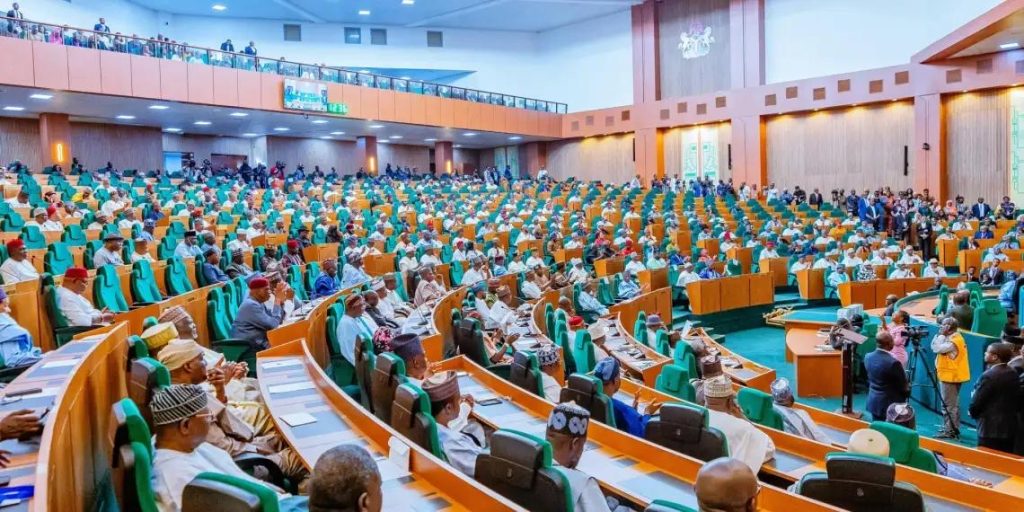
However, Nigerian officials and several international observers have consistently disputed the characterization of the violence as exclusively anti-Christian. The Nigerian government has maintained that terrorism, banditry, and insurgency have affected both Christians and Muslims, while analysts argue that many attacks are driven by a complex mix of security, ethnic, political, and economic factors rather than solely religious persecution.
Despite these differing interpretations, Trump pointed to the military operations as evidence of his administration’s commitment to protecting religious freedom worldwide. His comments have reignited debate over the nature of Nigeria’s security crisis and the role foreign partners should play in addressing it. Security experts continue to stress that while military operations can weaken extremist groups, long-term stability will require broader solutions involving governance reforms, economic development, intelligence cooperation, and community-based peacebuilding efforts.