\n\n
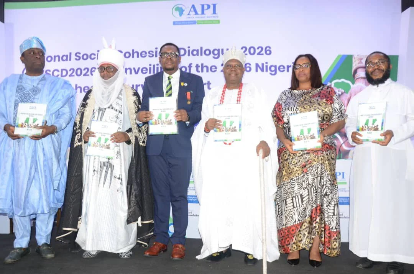
Stakeholders have called on the Federal Government to formally partner with traditional religious leaders as part of efforts to strengthen national unity, peacebuilding, and social cohesion across Nigeria. The appeal was made during discussions on the role of indigenous institutions in fostering harmony among diverse ethnic and religious communities. Participants argued that traditional religious leaders possess deep-rooted influence within local communities and can serve as valuable partners in addressing societal tensions and promoting peaceful coexistence.
According to the stakeholders, Nigeria’s traditional religious institutions have historically played significant roles in conflict resolution, moral guidance, and community development long before the advent of modern governance structures. They maintained that these leaders remain highly respected in many rural and urban communities and could help bridge divides created by ethnicity, religion, and politics. The participants noted that involving traditional religious practitioners in national conversations would encourage inclusiveness and ensure that no cultural or religious group feels marginalized in the country’s development process.
The stakeholders further emphasized that traditional religious leaders can contribute meaningfully to campaigns against insecurity, violent extremism, drug abuse, and other social challenges affecting the nation. They argued that government policies aimed at national integration would achieve greater success if community influencers, including traditional rulers and indigenous faith leaders, are actively engaged in awareness and sensitisation programmes. Such collaboration, they said, could also help preserve Nigeria’s cultural heritage while promoting mutual respect among followers of different faiths.
The call comes amid ongoing efforts by government agencies, civil society organisations, and religious bodies to strengthen national unity in a country characterized by significant ethnic and religious diversity. Participants urged policymakers to adopt a more inclusive approach to governance and dialogue, stressing that sustainable peace and development can only be achieved when all segments of society are given a voice in shaping the nation’s future. They expressed optimism that greater cooperation between government institutions and traditional religious leaders would contribute to long-term stability and social harmony across Nigeria.