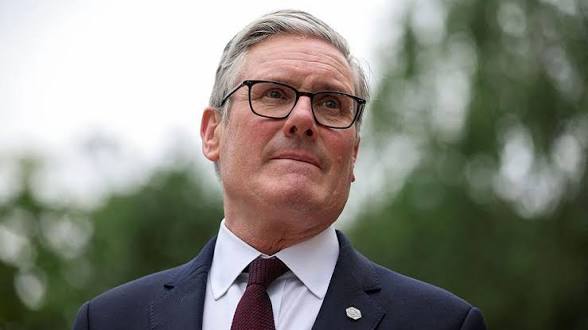
\n\nUnited Kingdom Prime Minister Keir Starmer has announced his resignation as leader of the Labour Party, bringing an end to a turbulent period in government marked by policy reversals, political controversies and declining public support.
Starmer made the announcement on Monday in an emotional address outside the Prime Minister’s official residence at 10 Downing Street, where he said every decision he had taken while in office was aimed at serving the interests of the country.
The outgoing prime minister stated that the Labour Party would begin the process of selecting a new leader in July, while he would remain in office until a successor is chosen. The transition is expected to be completed before Parliament reconvenes after its summer recess in September.
“I will remain in post as prime minister until the contest is complete, and I will do everything I can to ensure an orderly handover of power,” Starmer said during his resignation speech.
The announcement comes after months of mounting pressure on the Labour leader, who had faced repeated calls to step down amid growing dissatisfaction within sections of the party and the wider public.
Until recently, Starmer had insisted he would continue fighting to retain his position despite a series of political setbacks, including high-profile resignations within his administration and criticism over key government policies.
Among the issues that generated controversy during his tenure were proposed welfare and benefits reforms, questions surrounding defence spending priorities and a number of policy U-turns that critics argued weakened public confidence in his government.
Attention has now turned to potential successors, with veteran politician Andy Burnham emerging as one of the leading contenders. Burnham is expected to return to Parliament after securing victory in a crucial special election, a development widely viewed as strengthening his chances of contesting the Labour leadership.
Starmer’s resignation will make him the latest in a succession of British prime ministers to leave office within the last decade, continuing a period of political instability that began following the 2016 Brexit referendum.
The timing of the announcement is particularly significant as it comes just days before the tenth anniversary of the historic vote that led to the United Kingdom’s withdrawal from the European Union. The Brexit era has been characterised by frequent leadership changes and shifting political fortunes across Britain’s major parties.
Despite the challenges that ultimately led to his resignation, Starmer is widely credited with rebuilding the Labour Party after years in opposition and leading it to a decisive election victory in 2024. That victory ended 14 years of Conservative Party rule and returned Labour to government with a strong parliamentary mandate.
Supporters have praised Starmer for modernising the party and broadening its electoral appeal, while critics argue that his administration struggled to deliver on key promises and maintain public trust once in office.
As Labour prepares for a leadership contest in the coming weeks, political analysts say the outcome will shape the future direction of both the party and the British government. The new leader will inherit significant economic, social and foreign policy challenges while seeking to restore confidence among voters ahead of future elections.
With Starmer set to remain prime minister until a replacement is chosen, attention is now focused on who will emerge as Labour’s next leader and the country’s next head of government.