\n\n
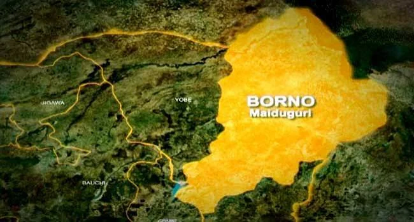
The Borno State Government has admitted that the inclusion of a ₦4 billion rail project in its budget performance report was an error, following public scrutiny and questions over the project’s status. State officials clarified that the entry was mistakenly captured in the report and did not reflect an actual expenditure or ongoing railway construction project within the state. The clarification came after concerns were raised regarding the allocation and implementation of the purported rail initiative.
The state’s Commissioner for Budget and Planning explained that the discrepancy resulted from a data processing and documentation mistake during the preparation of the budget performance report. According to the government, an internal review uncovered the error, prompting officials to issue a correction to maintain transparency and public confidence in the state’s financial records. Authorities emphasized that the mistake was administrative rather than financial and that no funds were diverted or improperly spent under the rail project heading.
The controversy emerged after civil society groups and budget transparency advocates questioned why a major rail project appeared in the state’s expenditure records despite the absence of any publicly known railway construction activity in Borno. The issue sparked debate among stakeholders, with calls for greater scrutiny of government financial reports and stronger mechanisms to detect errors before official publication. Analysts noted that accurate budget reporting is critical for accountability, particularly as states increasingly face pressure to demonstrate prudent management of public resources.
Borno State officials have assured residents that corrective measures are being implemented to prevent similar mistakes in future reports, including enhanced verification procedures and stricter review processes before publication. The government reiterated its commitment to transparency, accountability, and responsible fiscal management, stressing that public trust depends on the accuracy and integrity of official financial disclosures. The incident has also renewed discussions about the importance of independent oversight and public access to budget information as tools for strengthening governance across Nigeria.