\n\n
Two separate incidents in Lagos State have claimed two lives, following a fatal truck accident and the collapse of a distressed building in the Oyingbo area of the state. Emergency responders confirmed that one person died in the road accident, while another victim lost their life after being trapped beneath the rubble of the collapsed structure, with several others sustaining varying degrees of injuries. The tragedies have once again drawn attention to road safety and the recurring problem of unsafe buildings in Nigeria’s commercial capital.
According to emergency officials, the building collapse occurred at No. 54 Cole Street near Cemetery Bus Stop in Oyingbo after the two-storey structure, which had reportedly been marked as distressed, suddenly gave way while occupants were still inside. Rescue teams from the Lagos State Fire and Rescue Service, LASEMA, the National Emergency Management Agency, and other agencies immediately launched a coordinated operation, successfully pulling numerous survivors from the debris and transporting them to nearby hospitals for treatment. Authorities disclosed that the property had shown signs of structural weakness before the incident, raising fresh concerns over compliance with building regulations.
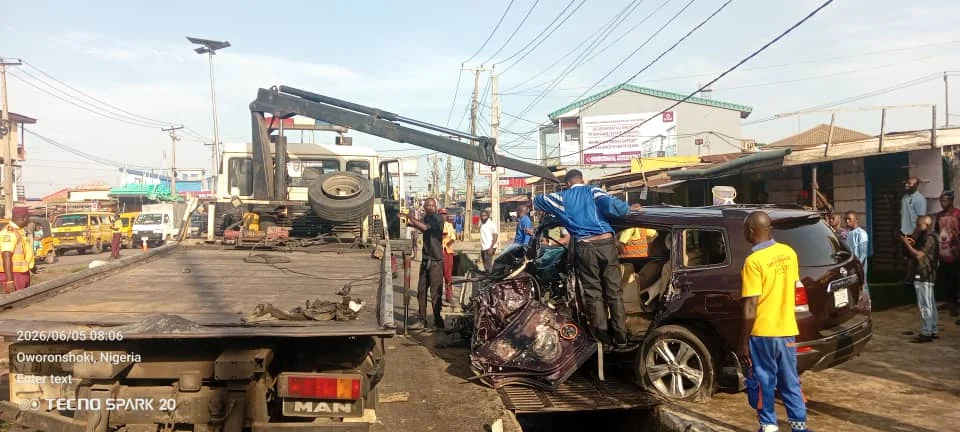
The separate truck accident also resulted in the death of one individual after a heavy-duty vehicle reportedly lost control, adding to the growing number of fatal road crashes involving articulated trucks in Lagos. Although investigations into the exact cause of the accident are ongoing, traffic safety experts have repeatedly linked many such incidents to brake failures, overloading, reckless driving, and poor vehicle maintenance. The latest crash further highlights the dangers posed by heavy commercial vehicles operating on some of the state’s busiest roads.
In the aftermath of both incidents, residents and safety advocates have renewed calls for stricter enforcement of building control laws and tougher regulations for commercial transport operators. Lagos authorities have consistently warned occupants to vacate structures identified as unsafe, while also intensifying inspections of old and distressed buildings across the metropolis. Experts argue that stronger compliance measures, routine structural audits, and improved roadworthiness checks could significantly reduce the frequency of such preventable disasters in the state.