\n\n
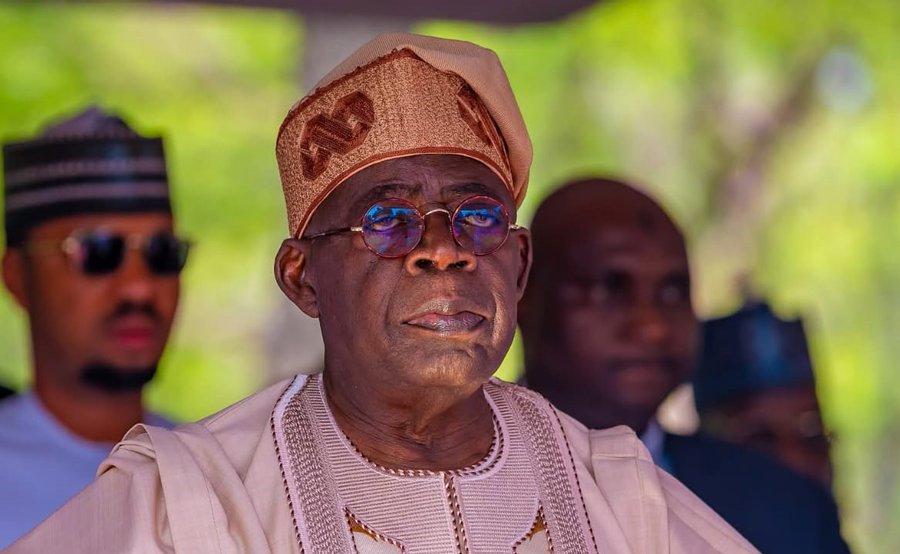
President Bola Tinubu has commissioned a series of major healthcare and education infrastructure projects across Nigeria, pledging that his administration will continue investing heavily to provide Nigerians with world-class healthcare services comparable to what many citizens seek abroad. The projects were unveiled on Friday as part of activities marking the third anniversary of the Tinubu administration, with officials describing the initiative as the largest single-day commissioning of federal health investments in Nigeria’s history. 
According to a statement released by presidential spokesman Bayo Onanuga, the newly commissioned projects span all six geopolitical zones and include specialist hospitals, emergency ambulance fleets, mental health centres, immunisation facilities, laboratories, and tertiary education infrastructure. Among the major projects inaugurated were the Bola Tinubu Specialist Complex at the Federal Medical Centre in Jabi, Abuja, a nationwide emergency ambulance response fleet, three Polio Emergency Operations Centres in Kano, Katsina, and Sokoto, and multiple primary healthcare centres in Kano and Delta states. 
The President also launched Compressed Natural Gas-powered ambulances for all 73 federal tertiary health institutions across the country under the Nigeria Health Sector Renewal Investment Initiative. Health officials said the ambulances would reduce operational costs, improve emergency referrals, and strengthen healthcare delivery in rural and urban communities. Other projects commissioned include a mental health and drug rehabilitation centre at the University of Maiduguri Teaching Hospital, a new laboratory complex at the University of Uyo Teaching Hospital, and a pharmacy quality control laboratory at Ahmadu Bello University Teaching Hospital in Zaria. 
Tinubu reiterated that healthcare reform remains central to his administration’s long-term agenda, noting that the government has already secured billions of dollars in health-sector commitments and launched plans to establish oncology and diagnostic centres nationwide while retraining over 120,000 frontline health workers. The President said the goal is not only to improve healthcare access but also to reduce outbound medical tourism and position Nigeria as a regional healthcare hub in Africa. Political and health analysts say the latest projects reflect growing efforts by the Federal Government to modernise public healthcare infrastructure amid increasing public demand for affordable and efficient medical services nationwide.