\n\n
The Nigeria Centre for Disease Control and Prevention has activated an emergency Ebola preparedness watch in Lagos, the Federal Capital Territory, and eight other states following fears that the deadly Bundibugyo strain of Ebola Virus Disease could spread into Nigeria from parts of East and Central Africa. The alert was issued after health authorities classified Nigeria’s risk of importing the virus as “high” due to increasing regional transmission, international travel, porous borders, and population movement across Africa. 
According to the NCDC advisory sent to health commissioners nationwide, the states currently considered high-risk are Lagos, FCT, Rivers, Kano, Enugu, Borno, Akwa Ibom, Cross River, Taraba, and Adamawa. Health authorities explained that these states were prioritised because of their international airports, seaports, trade routes, border activities, and dense population movement. Although Nigeria has not recorded any confirmed Ebola case, officials warned that the current outbreak involving the Bundibugyo strain remains particularly dangerous because there is presently no approved vaccine or specific treatment for the variant. 
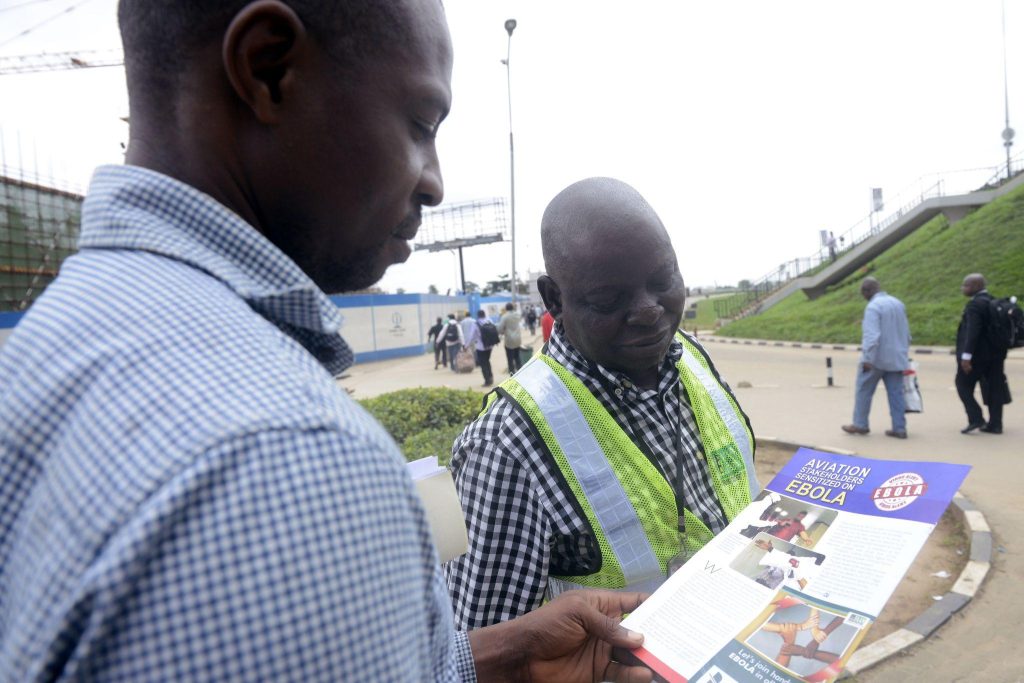
The outbreak has already caused major concern internationally, with over 1,000 suspected cases and more than 240 deaths reported in Uganda and the Democratic Republic of Congo. The World Health Organisation has classified the outbreak as a Public Health Emergency of International Concern, prompting Nigeria to activate emergency coordination systems and strengthen surveillance nationwide. The NCDC said its National Emergency Operations Centre has already been placed on alert mode while state governments have been instructed to activate isolation centres, intensify border monitoring, equip frontline health workers, and begin aggressive public sensitisation campaigns. 
Health authorities also warned Nigerians not to panic or rely on fake remedies circulating online, stressing that Ebola is not airborne but spreads through direct contact with infected blood, body fluids, contaminated surfaces, or infected animals. Officials urged healthcare workers to maintain a high level of suspicion because early Ebola symptoms often resemble malaria, Lassa fever, or typhoid. The latest alert has revived memories of Nigeria’s successful containment of the 2014 Ebola outbreak after infected Liberian-American traveller Patrick Sawyer arrived in Lagos, an operation later praised globally by the WHO as one of Africa’s most effective disease-response efforts.