\n\n
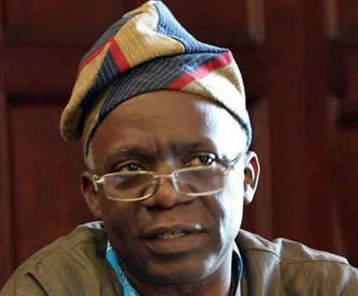
Human rights lawyer and Senior Advocate of Nigeria, Femi Falana, has warned that conflicting court rulings and legal disputes involving the Independent National Electoral Commission could undermine the credibility of Nigeria’s 2027 general elections if urgent reforms are not implemented. Falana raised the concern in a statement titled “Nigerian Judges and Lawyers Should Be Prevented From Sabotaging the 2027 Election,” where he criticised contradictory judgments delivered by courts over INEC’s powers to regulate political party primaries and election timelines. 
According to Falana, the crisis began after a Federal High Court invalidated INEC’s timetable for the conduct of party primaries and candidate nominations for the 2027 elections. The court also nullified the commission’s directive requiring political parties to submit their membership registers and databases before participating in the elections. However, in a separate ruling delivered shortly afterward, another Federal High Court affirmed that INEC possesses constitutional authority under the Electoral Act 2026 to set timelines and guidelines for political parties ahead of elections. Falana argued that the contradictory decisions have created legal confusion capable of destabilising the electoral process. 
The senior lawyer expressed concern that repeated judicial interference in internal political party affairs could weaken democratic institutions and create uncertainty ahead of the 2027 polls. He warned that allowing judges of coordinate jurisdiction to issue conflicting rulings on electoral matters could place INEC in a difficult position regarding which judgment to obey. Falana further criticised some lawyers and political actors for allegedly exploiting the judiciary to gain political advantages, insisting that Nigeria’s democracy could suffer serious damage if the trend continues unchecked. 
His comments come amid growing political tension and intensified preparations for the 2027 elections, with major parties already conducting presidential primaries and coalition negotiations nationwide. Recent weeks have witnessed a surge in legal disputes involving party primaries, candidate eligibility, and electoral guidelines as opposition alliances continue to reshape the political landscape. Analysts believe Falana’s warning reflects broader concerns about the role of the judiciary in Nigeria’s electoral system, especially given the increasing number of politically sensitive court cases expected before the next general election.