\n\n
Nigeria and Germany have signed a €365 million development and investment partnership agreement aimed at supporting economic growth, energy expansion, agriculture, and private-sector development in Nigeria. The agreement was signed on Thursday at the German Embassy in Abuja by top officials from both countries, including the Minister of Budget and Economic Planning, Senator Abubakar Bagudu, and the Minister of State for Budget and Economic Planning, Doris Uzoka-Anite. 
According to the Federal Government, the partnership includes a €65 million financial and technical cooperation package from Germany, alongside an additional €300 million Export Credit Guarantee financing framework designed to attract investments and provide long-term funding for strategic projects in Nigeria. The deal will focus on sectors such as agriculture, climate and energy transition, healthcare, skills acquisition, governance, and sustainable economic development. 
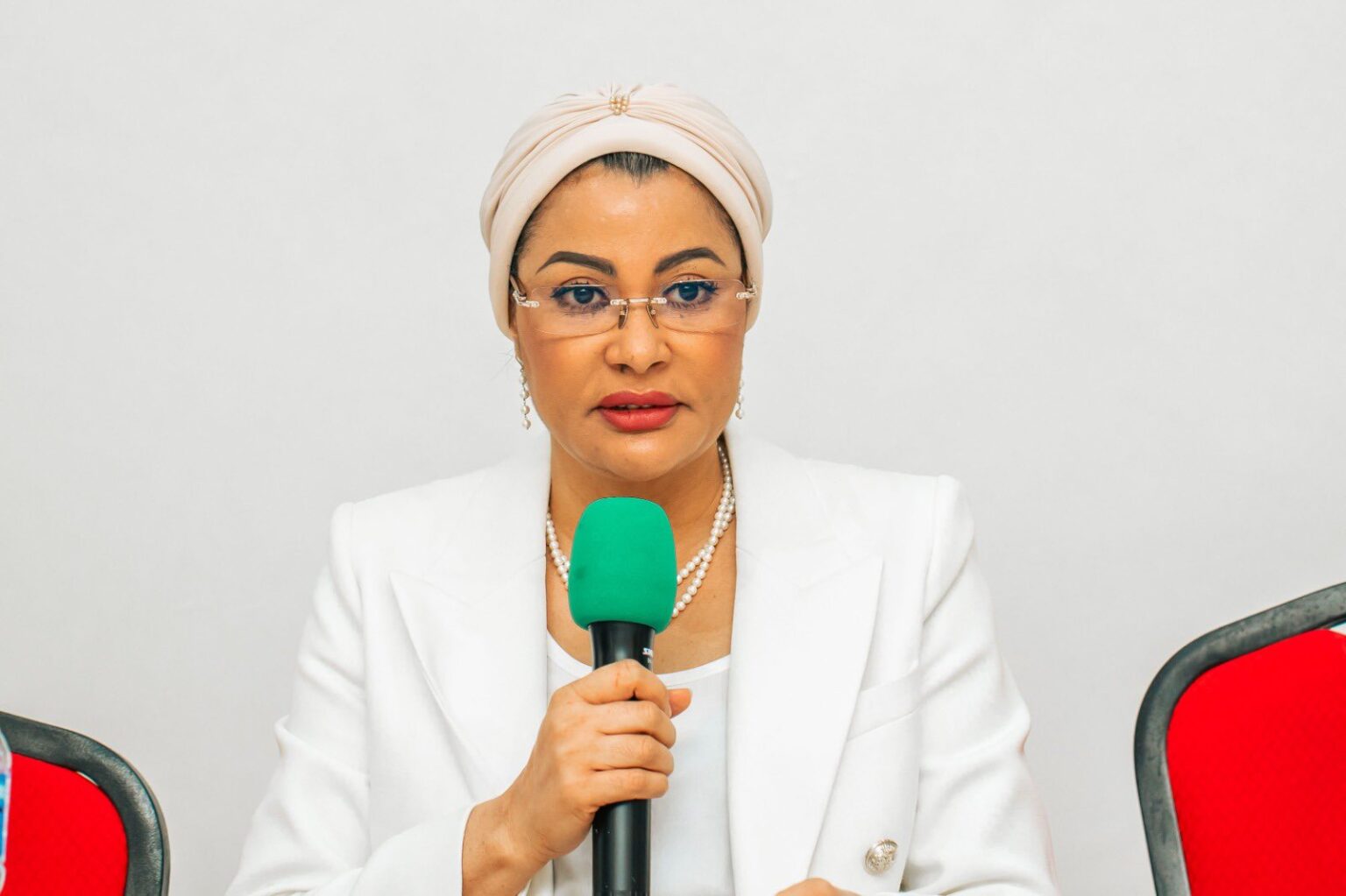
Speaking during the signing ceremony, Uzoka-Anite described the agreement as a major step toward strengthening the long-standing relationship between both countries. She said the partnership aligns with Nigeria’s ongoing economic reforms under President Bola Tinubu and will support the country’s National Development Plan 2026–2030 and broader Agenda 2050 goals. German officials also praised Nigeria’s recent reforms, particularly foreign exchange liberalisation, tax reforms, and food security initiatives, describing them as important steps for attracting foreign investment. 
Germany’s Deputy Director General for Economic Cooperation and Development, Philip Knill, disclosed that major German companies including Siemens, SAP, Bayer, and STIHL are already exploring investment opportunities in Nigeria across industrialisation, digital economy, energy, and agricultural mechanisation. He also revealed that existing Nigeria-Germany programmes have already supported over 16,000 small businesses, improved productivity for hundreds of thousands of farming households, and expanded access to mini-grid electricity projects benefiting more than 70,000 Nigerians. 
The agreement comes amid increasing efforts by the Nigerian government to attract foreign investment and deepen international economic partnerships. Analysts say the deal could strengthen infrastructure financing, renewable energy projects, industrial growth, and trade relations between both countries if properly implemented.