
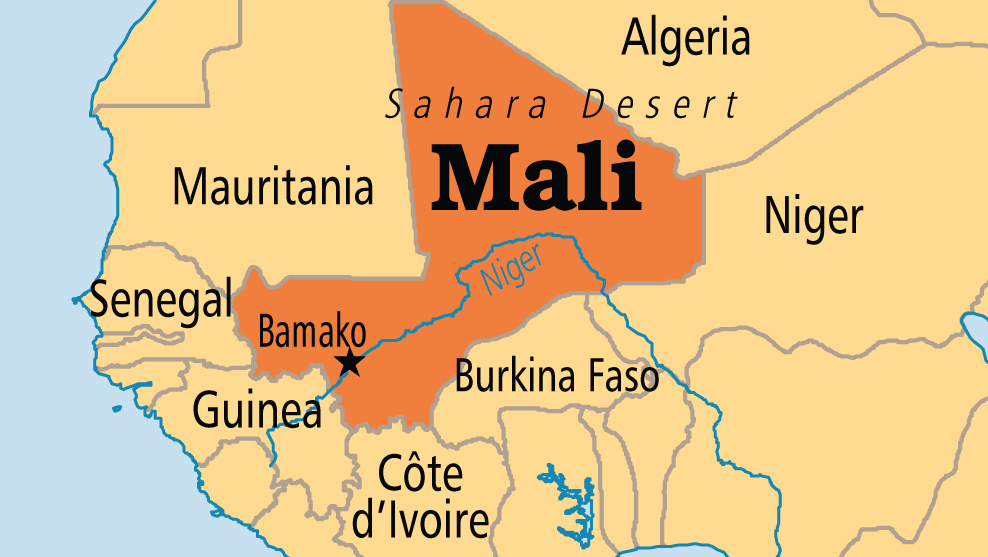
\n\nMali has been rocked by a wave of coordinated terrorist attacks targeting the capital Bamako and several other strategic locations across the country. Armed groups launched simultaneous assaults early on April 25, 2026, striking military bases, airports, and key cities in what analysts describe as the largest offensive in years. 
Reports indicate that heavy gunfire and explosions were heard across multiple areas, including Bamako, Kati (home to a major military base), Gao, Mopti, and Kidal. In the capital, attacks were reported near the main international airport and military installations, forcing security lockdowns and heightening fears among residents. 
The assaults have been linked to jihadist groups affiliated with al-Qaeda, particularly Jama’at Nusrat al-Islam wal-Muslimin (JNIM), alongside Tuareg separatist fighters from the Azawad Liberation Front (FLA). The groups reportedly coordinated their operations, using small arms, explosives, and even drones, showing a high level of organisation and capability. 
Mali’s military government said its forces repelled parts of the attacks and killed several attackers, while launching counter-operations to restore control. However, some armed groups claimed to have seized territory in northern areas like Kidal and parts of Gao, highlighting the scale of the security challenge. 
The attacks underline the worsening security crisis in the Sahel region, where extremist groups have expanded operations despite military efforts and foreign support. Observers warn that the ability of militants to strike both the capital and remote regions simultaneously raises serious concerns about state control and regional stability.