
\n\n
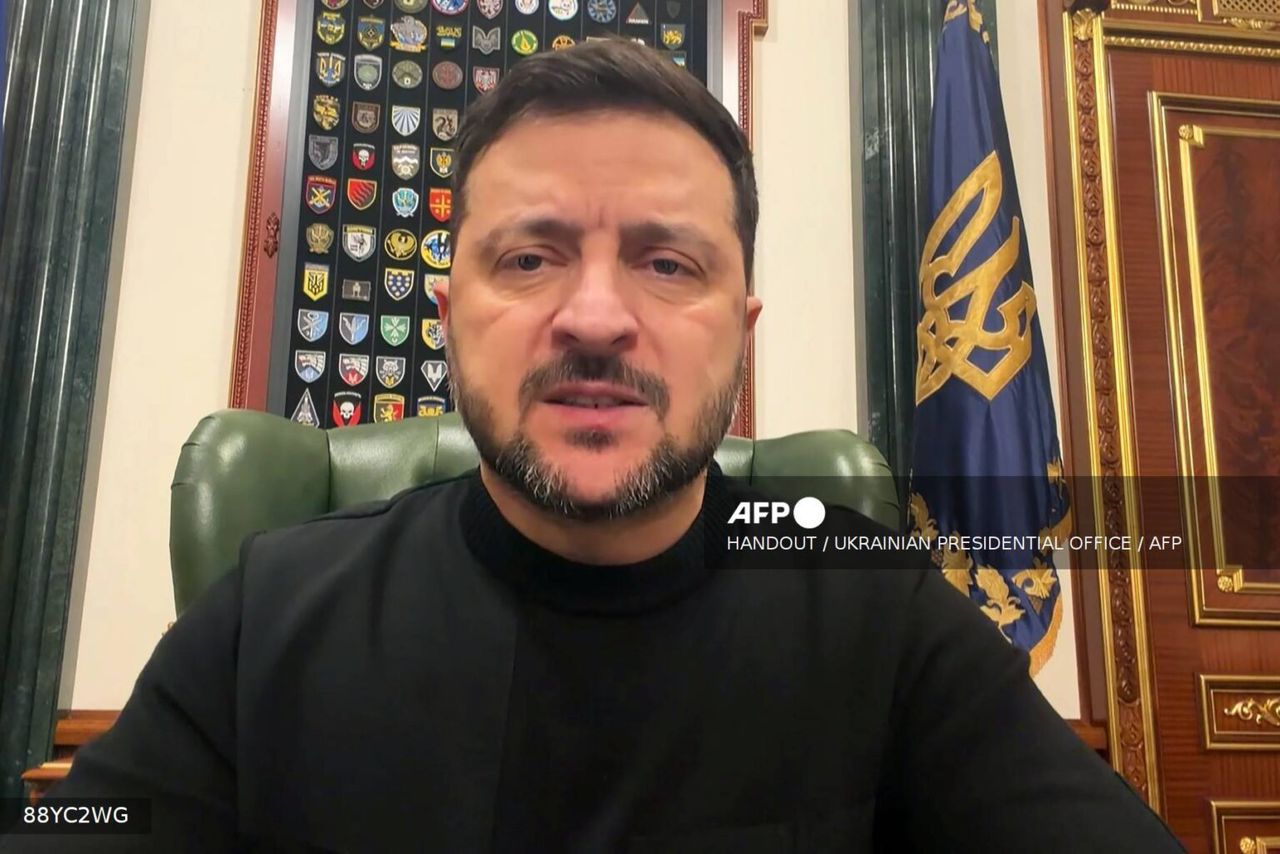
A short-lived Easter ceasefire between Russia and Ukraine has officially come to an end, with both sides accusing each other of widespread violations during the brief pause in hostilities. The 32-hour truce, announced by Vladimir Putin and accepted by Volodymyr Zelenskyy, was intended to cover the Orthodox Easter period from April 11 to April 12, 2026. However, reports indicate that fighting continued almost immediately after the ceasefire began, undermining hopes of a temporary halt in the ongoing war. 
Both countries traded accusations of repeated breaches, with Ukrainian officials claiming thousands of Russian attacks involving drones, artillery, and ground assaults during the truce. In contrast, Russian authorities alleged that Ukrainian forces also carried out numerous strikes, including drone attacks on border regions that left civilians injured. Independent verification of the claims remains difficult, but the scale of reported violations highlights the deep mistrust between both sides and the fragility of such agreements. 
Despite the breakdown in fighting, there were limited signs of cooperation, including a prisoner exchange involving hundreds of detainees facilitated through international mediation. Still, the rapid collapse of the ceasefire has reinforced skepticism about the possibility of sustained peace, especially as similar temporary truces in the past have also failed to hold. Analysts note that while symbolic, such short-term pauses do little to address the broader conflict, which has now stretched into its fifth year with no comprehensive peace deal in sight.