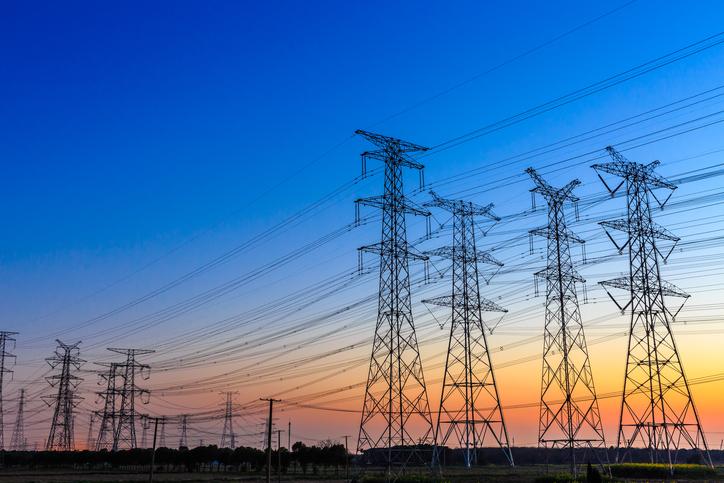
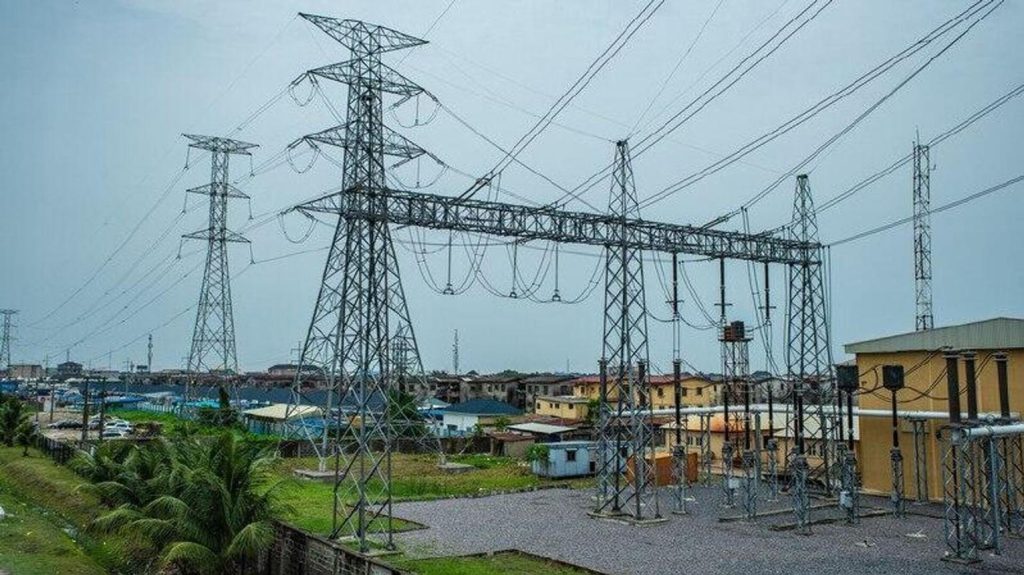
Nigeria’s Federal Government has acknowledged worsening electricity supply across Lagos, Abuja, Ogun, Kwara and Oyo states, as households and businesses continue to experience power disruptions.
The Minister of Power, Joseph Tegbe, disclosed that the government was taking steps to address the situation, following growing concerns over unreliable electricity supply in several parts of the country.
The government attributed the decline to three major factors:
Gas shortages: Thermal power stations are struggling to receive enough gas to generate electricity.
Reduced water levels: Lower water inflows into hydroelectric reservoirs have affected electricity generation.
Maintenance challenges: Operational and maintenance problems across parts of the electricity sector have further reduced available supply.
According to the Nigerian Independent System Operator (NISO), these challenges have reduced the amount of electricity available for distribution, resulting in shorter power supply hours and increased load shedding.
The government has also announced the clearance of 44 containers of electricity equipment from Apapa Port in Lagos. More than 300 containers had reportedly been stranded at the port, with some remaining there since 2014.
The Minister explained that technical experts would inspect the released equipment to determine which items could be used for ongoing electricity projects.
Meanwhile, the government says it is working with the Transmission Company of Nigeria (TCN), NISO and electricity distribution companies to resolve the challenges and restore normal supply.
However, no specific date has been announced for when Nigerians should expect a full improvement in electricity supply.
The development has renewed concerns about Nigeria’s electricity sector, especially as households and businesses continue to spend more on generators, fuel, inverters and alternative power sources to cope with frequent outages.