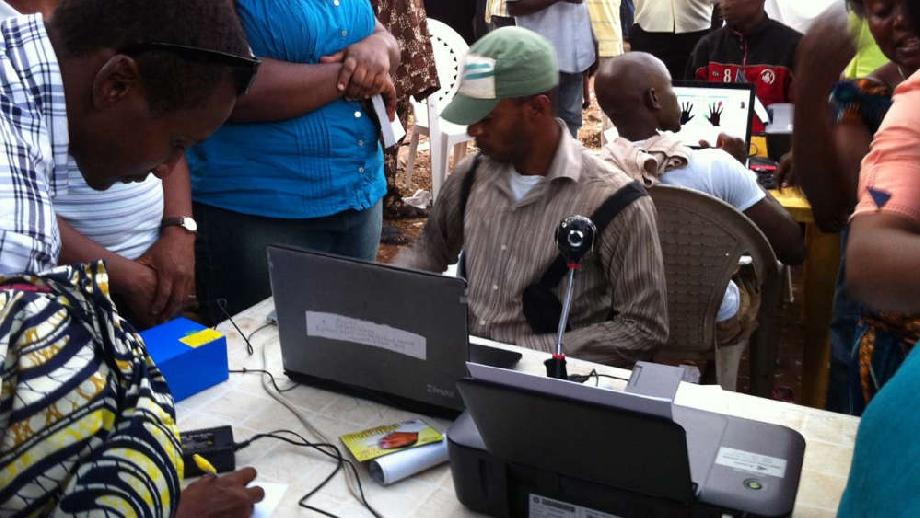
Nigeria’s Independent National Electoral Commission (INEC) has acknowledged that artificial intelligence-generated photographs appeared in its preliminary voters’ register, raising concerns about the accuracy and credibility of records ahead of the 2027 general elections.
The commission reportedly attributed the irregularities to registration officers who had access to its registration portal.
The development has attracted attention from political parties and election stakeholders, who are demanding greater transparency in the preparation of the voters’ register.
According to reports published on Saturday, October 31, INEC’s ICT director confirmed the appearance of AI-generated photographs in the preliminary register. The commission said the issue involved officials who had access to the registration system.
The discovery has raised questions about how voter information is collected, verified and uploaded into the electoral database.
The preliminary register is an important part of the election process because it allows eligible voters and political stakeholders to examine records and identify possible errors before the final register is approved.
Concerns about the use of AI-generated images have also increased as the technology becomes more accessible. Election authorities are expected to ensure that voter records contain genuine information and that the registration process remains transparent.
The Nigeria Democratic Congress (NDC) vice-presidential candidate, Rabiu Musa Kwankwaso, has reportedly called for an independent audit of the voters’ register following concerns about questionable records and photographs.
The African Democratic Congress (ADC) has also criticised INEC’s preparations, arguing that the reported irregularities could undermine confidence in the electoral process if they are not properly addressed.
With the 2027 elections approaching, the commission faces growing pressure to explain how the images entered the system, establish the extent of the problem and ensure that affected records are corrected.
INEC has not yet provided a complete public breakdown of the number of affected photographs or the full outcome of any investigation.
The development has renewed calls for stronger verification procedures and independent oversight to protect the integrity of Nigeria’s electoral register.