Nigeria’s headline inflation rate declined to 14.63 per cent in September 2026, offering a positive signal for the country’s economy. However, the continued pressure from food prices means many households may not immediately feel the benefits of the slowdown.
Figures released by the National Bureau of Statistics (NBS) on Thursday, October 15, showed that headline inflation fell from 15.39 per cent in August to 14.63 per cent in September. This represents a decline of 0.76 percentage points within one month.
The latest figure also marks a significant reduction compared with September 2025, when the annual inflation rate stood at 20.98 per cent.
Despite the improvement, the figures do not mean that prices have returned to their previous levels. Rather, they indicate that the overall rate at which prices are increasing has slowed. Consumers may still have to spend considerable amounts on food, transportation, rent and other essential needs.
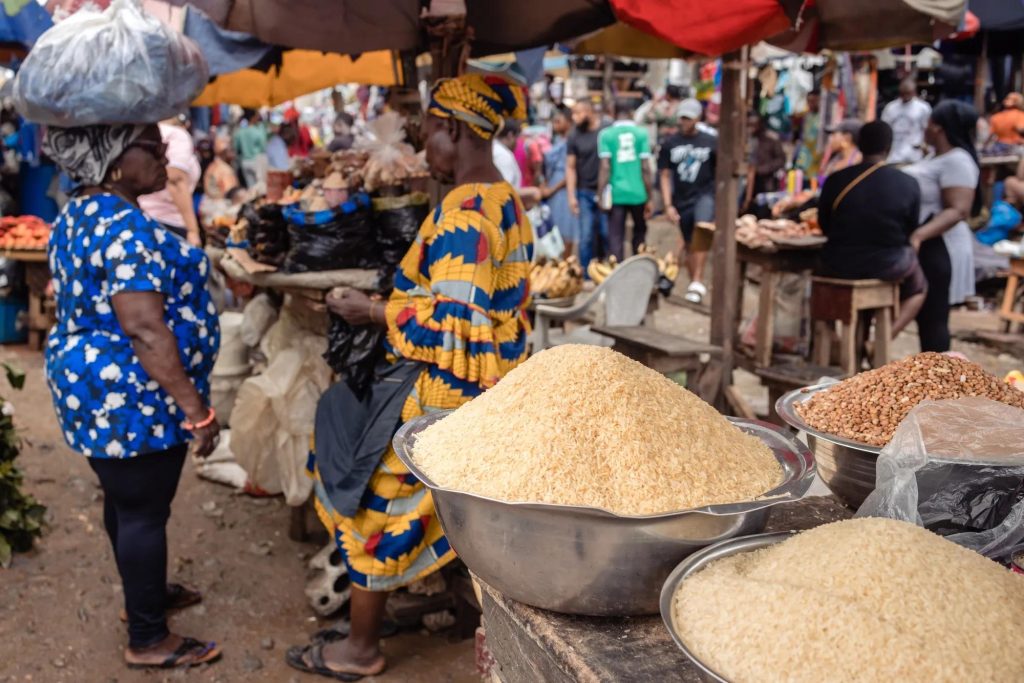
Food inflation remains a major concern for Nigerians, particularly low-income households that spend a large share of their earnings on feeding. The September report put food inflation at 19.59 per cent, highlighting the continuing challenges facing consumers despite the decline in the headline rate.
For many families, the cost of everyday food items remains a major part of monthly expenses. Market prices can also vary across states and communities, depending on transportation costs, supply conditions, storage facilities and seasonal availability.
The decline in inflation could nevertheless provide some encouragement to policymakers and businesses. When inflation slows consistently, it can make financial planning easier for households and companies. It may also support efforts to stabilise the economy and improve confidence among investors.
However, the extent to which Nigerians benefit will depend on whether the slowdown continues and whether the prices of essential goods become more manageable.
Businesses are also watching the figures closely because inflation affects operating expenses, purchasing power and consumer demand. Companies facing high transportation, energy and raw-material costs may still struggle even when the headline inflation rate falls.
The latest figures therefore present a mixed picture for Nigeria: inflation is easing, but the cost-of-living crisis remains a concern for many citizens.
The key question in the coming months will be whether the decline can be sustained and eventually translate into improved purchasing power for households across the country.