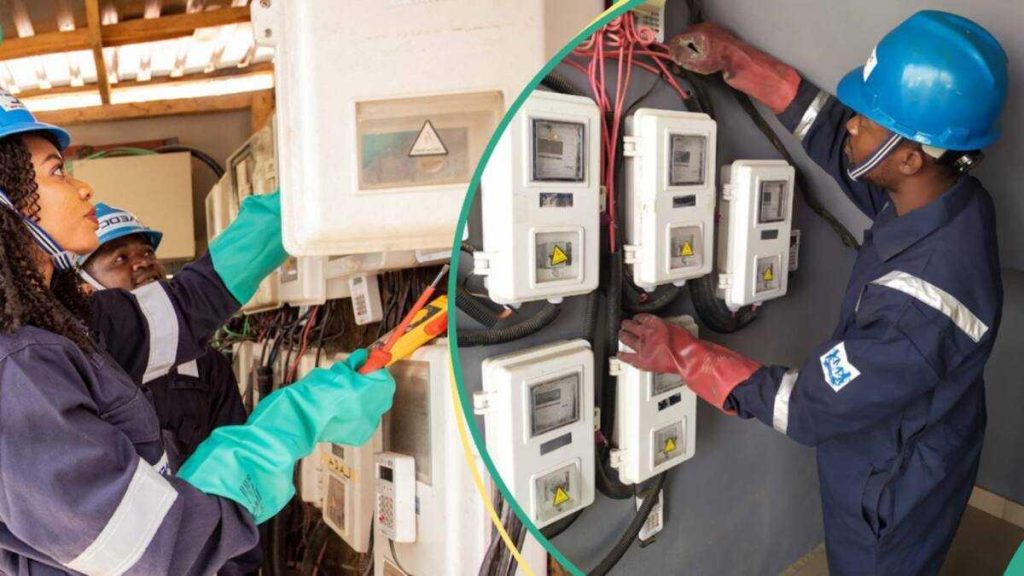
The Nigerian Electricity Regulatory Commission (NERC) has approved another ₦30 billion to support the distribution and installation of free electricity meters for consumers across the country as part of efforts to address the persistent problem of estimated billing.
The funding is part of the Federal Government’s Presidential Metering Initiative, which was introduced to improve electricity metering and ensure that customers are billed according to their actual power consumption.
The latest funding is expected to support the acquisition and installation of additional prepaid meters, particularly for electricity consumers who are yet to receive meters from their respective distribution companies.
Under the initiative, electricity distribution companies (DisCos) are expected to install the meters without collecting payment from eligible customers. This means consumers should not be required to pay installation fees or make unofficial payments to access meters provided through the programme.
NERC has also reportedly set May 31, 2027, as the deadline for electricity distribution companies to complete the installation exercise.
The development is significant for millions of Nigerian households and small businesses that have continued to complain about high estimated electricity bills, even when their electricity supply is inconsistent.
For many consumers, estimated billing has remained a major source of disagreement with electricity distribution companies. Some households have complained about receiving bills that do not reflect the number of hours they receive electricity or their actual consumption.
The introduction of more prepaid meters is expected to improve transparency and give consumers better control over their electricity expenses.
However, the success of the program will depend largely on how effectively the distribution companies carry out the installation process and whether the approved funds translate into meters reaching the intended customers.
NERC’s latest intervention is another attempt to address long-standing challenges in Nigeria’s electricity sector, where inadequate metering has continued to affect the relationship between consumers and electricity providers.