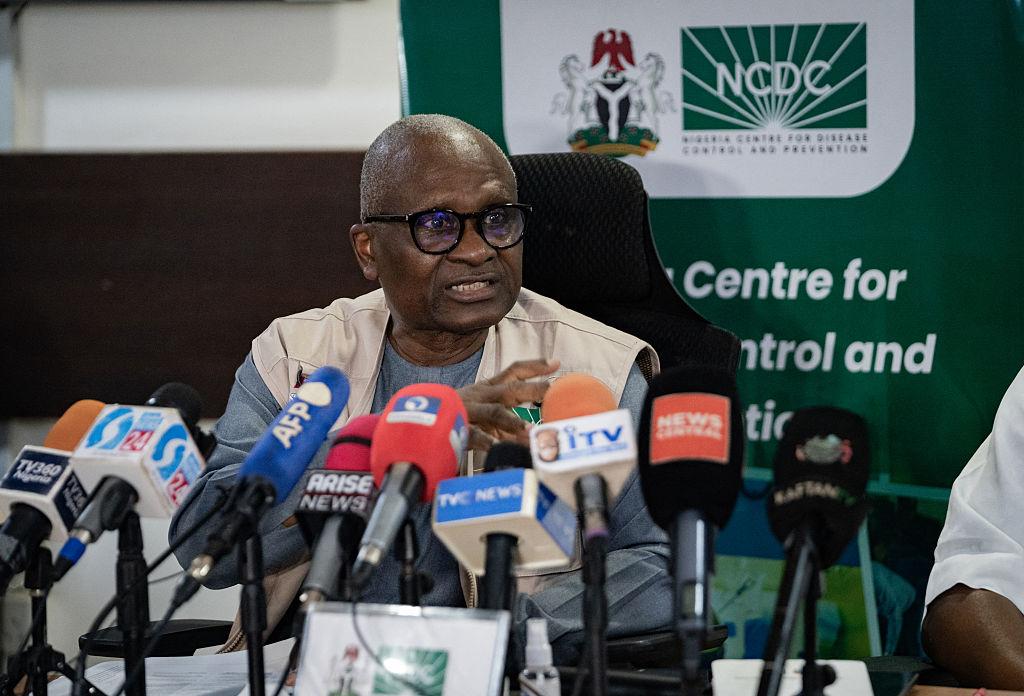
The Nigeria Centre for Disease Control and Prevention (NCDC) has clarified that the ₦10 billion health security intervention fund approved by the Federal Government is not meant exclusively for Ebola preparedness, but will support broader public health emergencies across the country.
The clarification comes amid growing public concern following Nigeria’s recent confirmation of an Ebola case involving a foreign national who travelled to Abuja after visiting Uganda.
The NCDC explained that the fund is designed to strengthen Nigeria’s ability to prevent, detect and respond to different public health threats. These include infectious disease outbreaks, emergency medical situations and other health security challenges that require urgent government intervention.
According to the agency, Nigeria continues to face significant gaps in its health security system, making additional investment necessary to improve disease surveillance, laboratory capacity and emergency response.
The announcement also highlights the importance of preparing for health emergencies before they become nationwide crises.
Nigeria’s recent Ebola alert has renewed attention on the country’s disease monitoring system, particularly at airports, border communities and healthcare facilities.
Although two additional suspected Ebola cases reported in the country’s north-east recently tested negative, health authorities have continued to emphasise the importance of surveillance and early detection.
The NCDC’s clarification is intended to address misconceptions about the purpose of the funding and explain why a broader approach to health security is necessary.
The agency’s position suggests that the intervention will be used to strengthen the country’s overall preparedness rather than focus on a single disease.