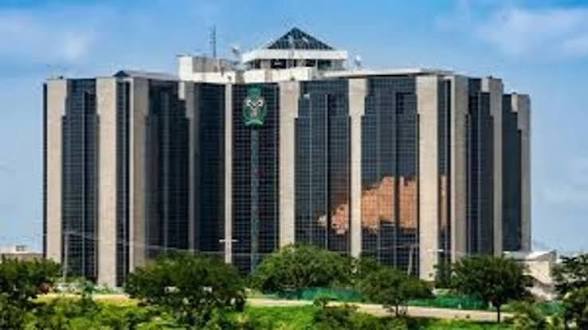

Credit extended to Nigeria’s private sector increased to ₦84.55 trillion in August 2026, marking the third consecutive month of growth, according to data reported by Nairametrics.
The increase points to continued expansion in lending to businesses and other private-sector borrowers as financial institutions provide more funding for economic activities.
Private-sector credit is closely watched because it provides an indication of how much financing is flowing into businesses and households. Increased access to credit can support business expansion, investment and working capital, although the effect on economic activity also depends on borrowing costs and the ability of borrowers to service their loans.
The latest increase comes amid broader changes in Nigeria’s financial markets. The country’s equities market recently crossed the 250,000-point mark for the first time, while Nigeria’s return to the FTSE Russell Frontier Market indexes has also increased international attention on the domestic capital market.
For businesses, the continued rise in private-sector credit could provide additional financing opportunities, particularly for companies seeking funds to expand operations, purchase equipment or manage cash-flow requirements.
However, the headline figure alone does not show how evenly credit is being distributed across sectors or businesses, nor does it indicate the cost of borrowing. Those factors will remain important in determining how much the increase in lending translates into wider economic activity.
The August figure therefore adds to the recent signs of increased activity within Nigeria’s financial system, as banks and other financial institutions continue to extend credit to the private sector.